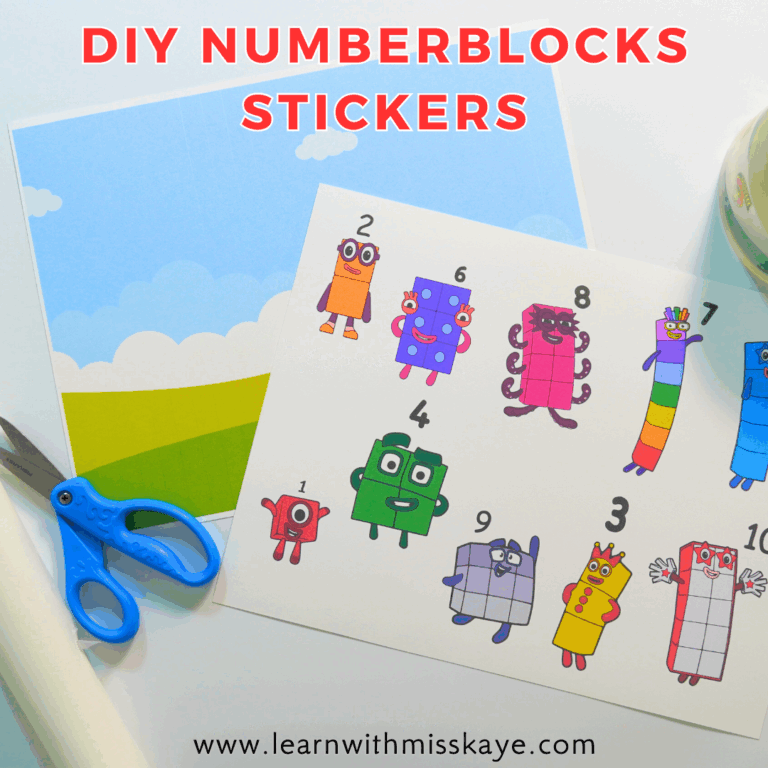



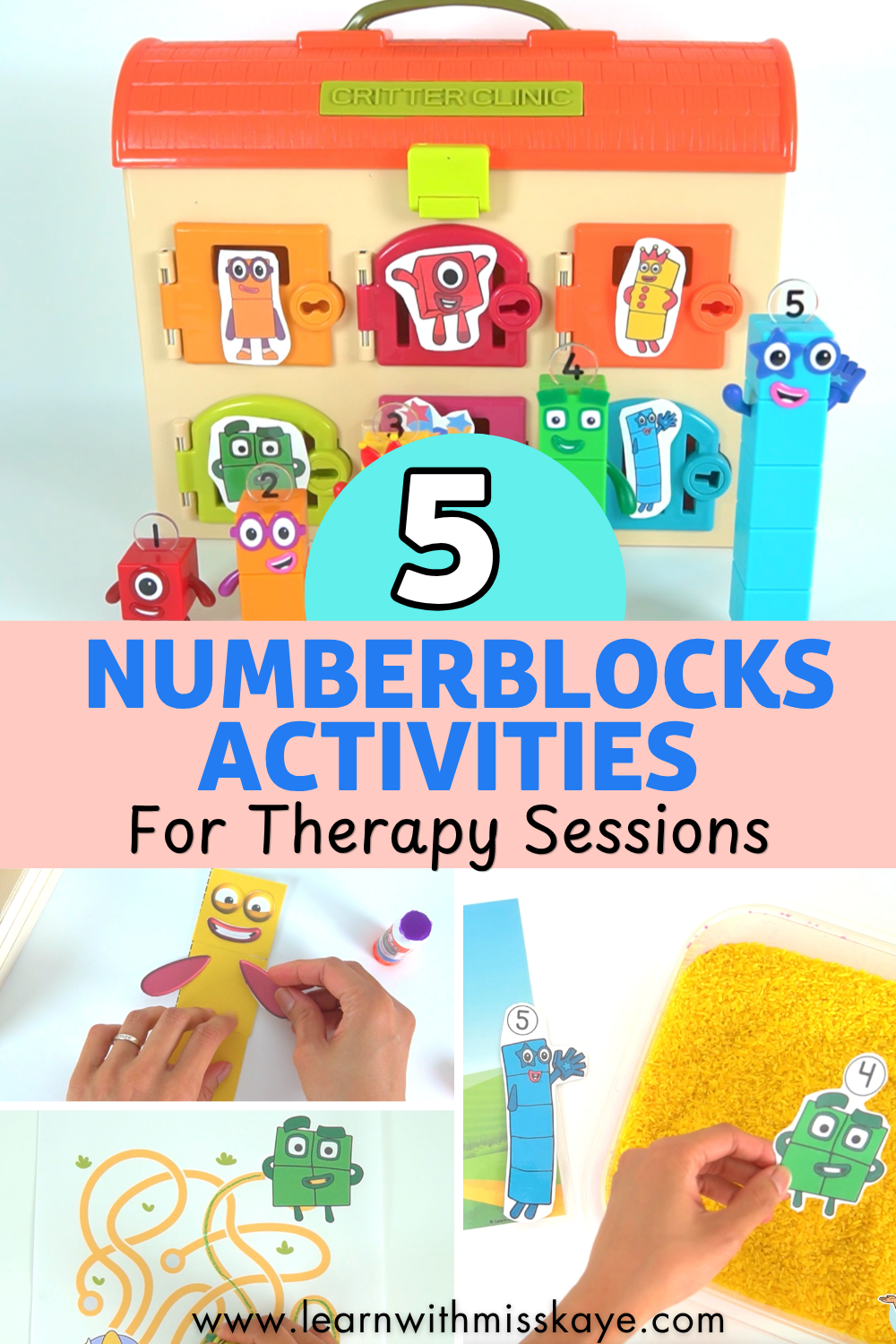
If your child lights up whenever they see Numberblocks, you’re not alone! These lovable characters make learning numbers exciting, and with a little creativity, they can inspire so much more than counting.
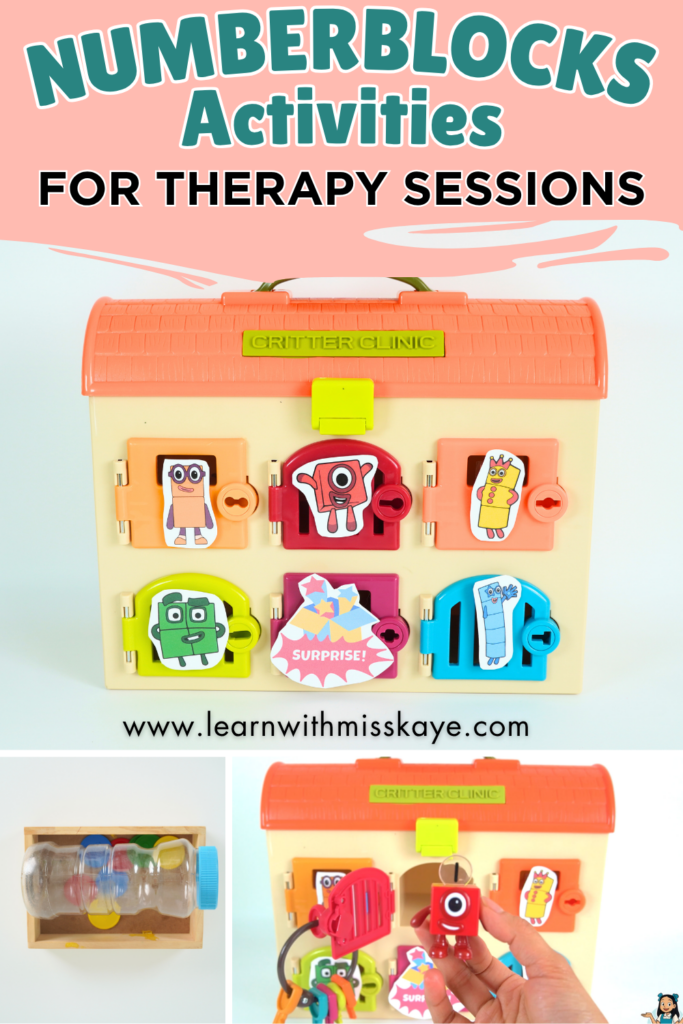
One of my favorite Numberblocks activities is turning learning into an interactive rescue mission. Instead of simply practicing numbers, children complete hands-on challenges to earn keys and rescue the Numberblocks one by one. This type of play-based learning keeps preschoolers engaged while building important early learning skills.
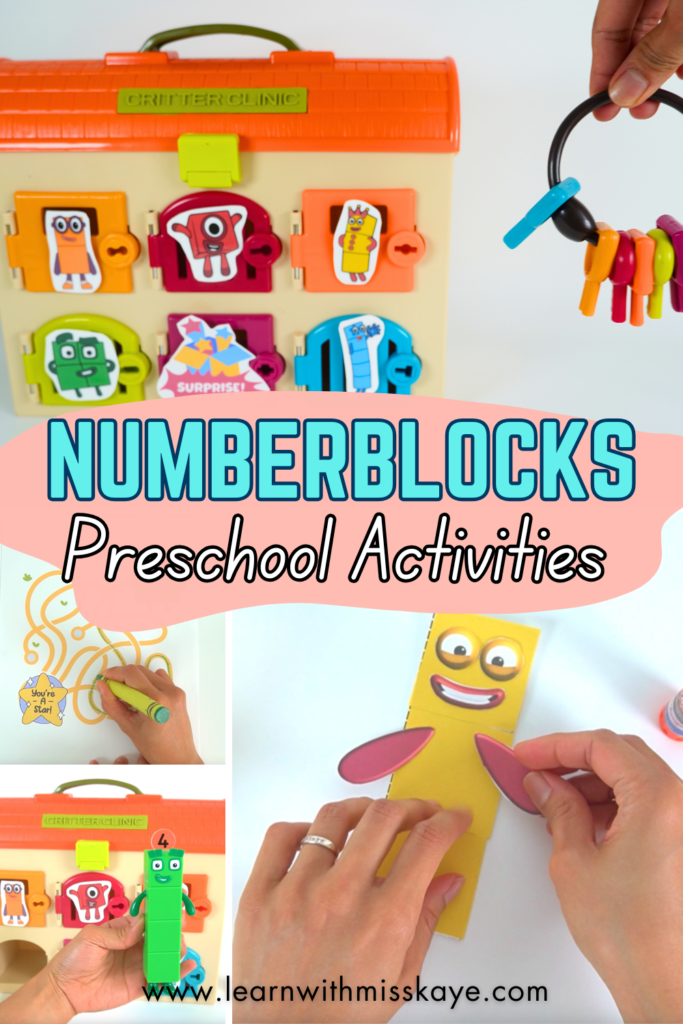
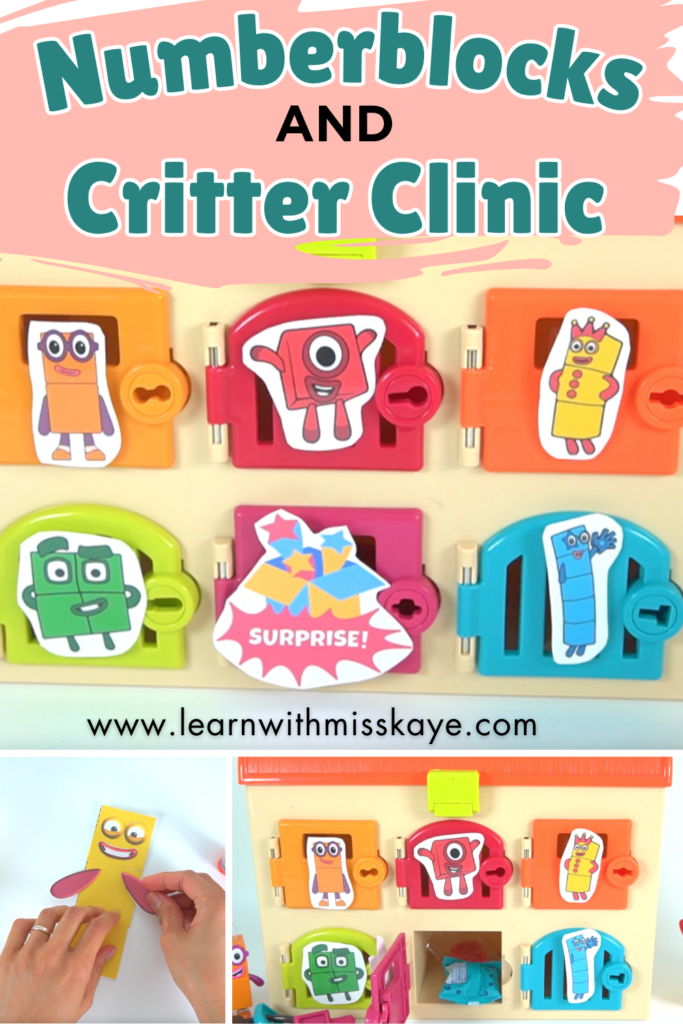
In our Numberblocks Critter Clinic adventure, Numberblocks One through Five were trapped behind clinic doors. Each door had a different challenge to complete before we could earn the key and unlock the next Numberblock. A mysterious sixth door stayed locked until the very end, adding just the right amount of curiosity to keep the kids excited from beginning to end.
Whether you’re a parent, preschool teacher, homeschooler, speech-language pathologist, or occupational therapist, these Numberblocks activities for preschool are easy to adapt for different learning styles and ability levels.
Why Numberblocks Activities Are So Effective for Preschoolers
Young children learn best when they are actively involved in the learning process.
Instead of asking children to complete worksheet after worksheet, Numberblocks learning activities invite them to move, create, search, solve problems, and celebrate each success. Giving children a meaningful goal—like rescuing their favorite Numberblocks—helps them stay focused much longer.
Activities like these naturally support:
- Number recognition
- Counting skills
- Early math concepts
- Fine motor development
- Problem-solving
- Following directions
- Language development
- Attention and focus
- Confidence and independence
Best of all, children simply think they’re playing.
Rescue Numberblock One: Painting Activity
Our first challenge was rescuing Numberblock One with a simple painting activity.
Painting is one of those classic Numberblocks activities that supports multiple areas of development at the same time. As children carefully paint each section, they’re strengthening the small muscles in their hands that will later help with writing, cutting, buttoning clothes, and other everyday tasks.
Painting also creates natural opportunities to practice:
- counting
- color recognition
- describing pictures
- requesting materials
- answering simple questions
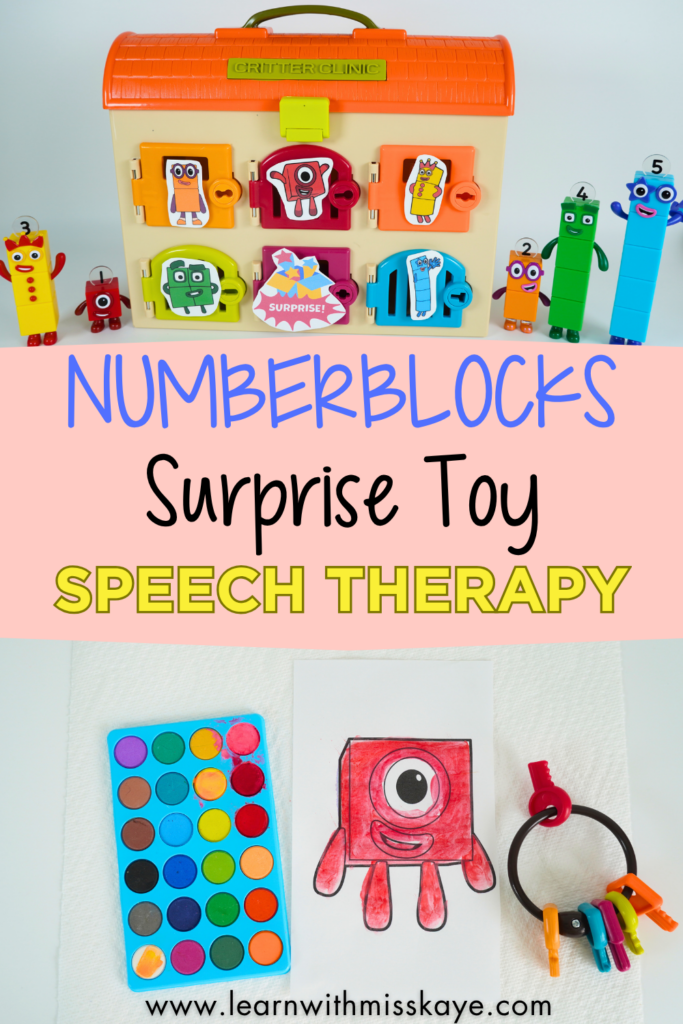
For speech therapy activities, parents and therapists can encourage children to answer questions like:
- What color are you using?
- How many eyes does Numberblock One have?
- Can you paint the top first?
These simple conversations build vocabulary while making learning feel fun.
A Little Gift for You
Before we continue, I’d love to invite you to join Miss Kaye’s Learning Library.
Inside you’ll find free story-themed activities (inlcuding Brown Bear worksheets), printables, and hands-on learning resources designed to help make learning fun and meaningful for little learners.
UNLOCK Access to
Miss Kaye Learning Library
Join Learn With Miss Kaye community and unlock a growing collection of free printables, story themed activities, hands-on learning , and exclusive resources for little learners — all in one place.
Take a Little peek at what’s inside..
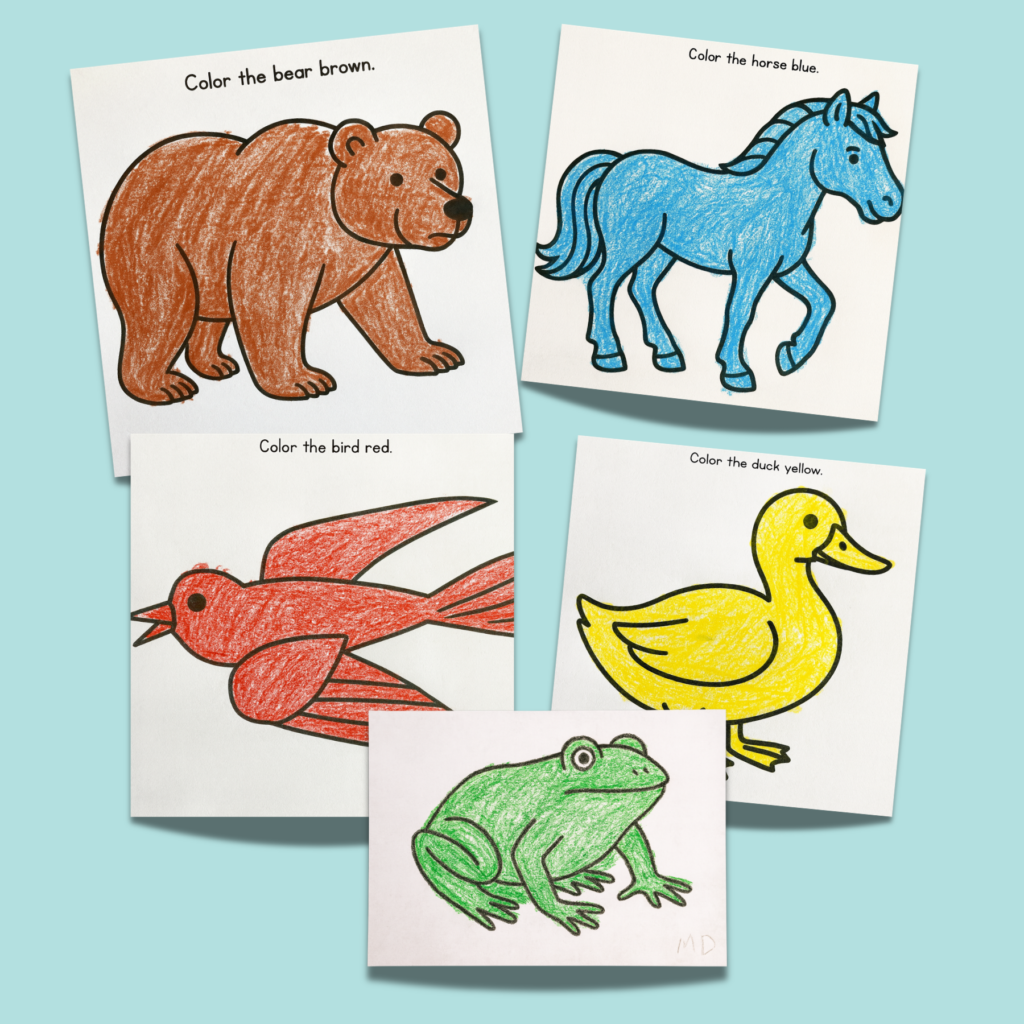
COLORING PAGES

FUN CRAFTS
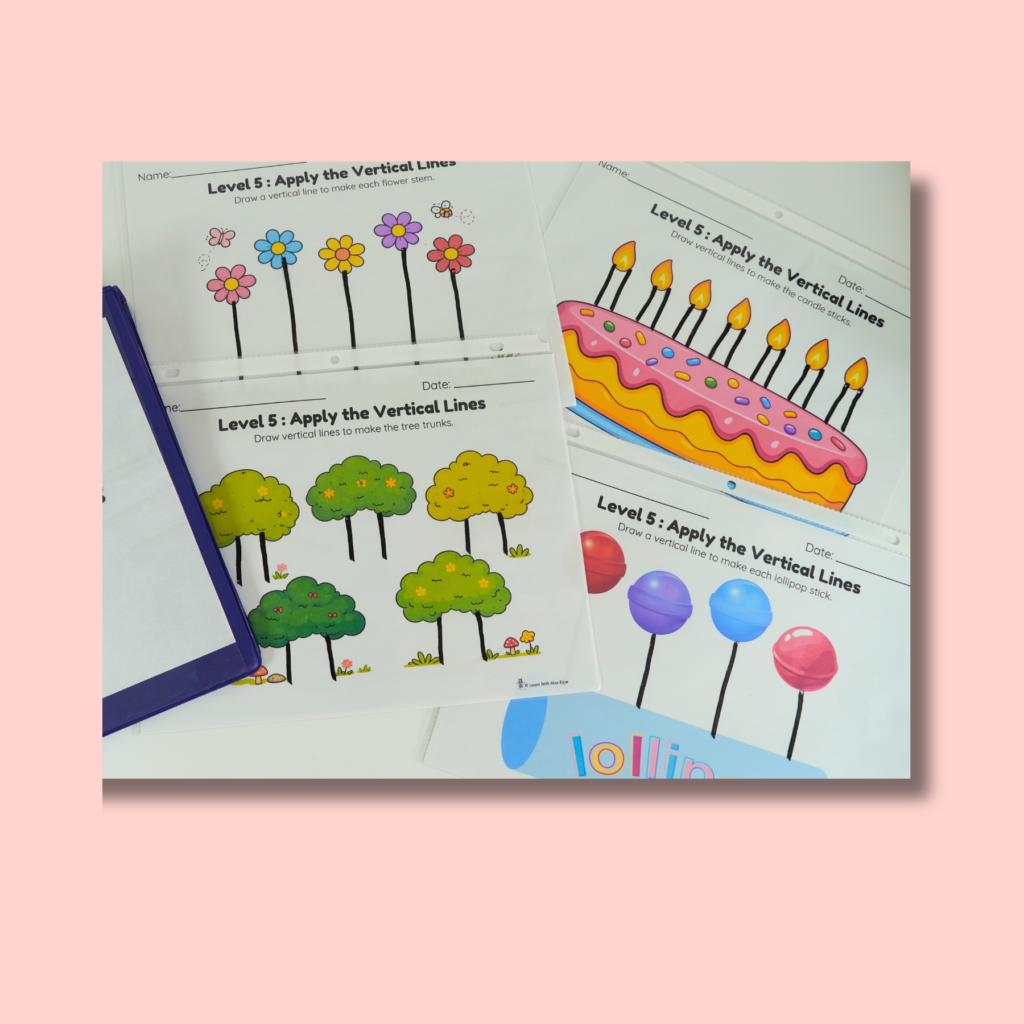
WORKBOOKS
Rescue Numberblock Two: Color Matching Coin Activity
Next, we rescued Numberblock Two by matching colored coins in pairs and placing them into a coin jar.
This simple matching game becomes a wonderful preschool math activity because children practice identifying colors, recognizing matching pairs, and comparing objects.
Dropping each coin into the jar also strengthens:
- hand-eye coordination
- pincer grasp
- finger strength
- bilateral coordination
For speech or occupational therapy and special education sessions, this activity encourages requesting, labeling colors, following one-step directions, and expanding simple phrases like:
“I found two blue coins!”
Rescue Numberblock Three: DIY Numberblock Craft
For our third challenge, we built our own Numberblock Three using paper, colored paper, and a glue stick. Crafts are some of my favorite Numberblocks activities for preschool because they combine creativity with important developmental skills.
As children assemble each piece, they practice:
- visual perception
- sequencing
- planning
- bilateral coordination
- fine motor precision
Children feel incredibly proud after building their own Numberblock from individual pieces. We got our Numberblocks paper craft here.
Rescue Numberblock Four: Maze Challenge
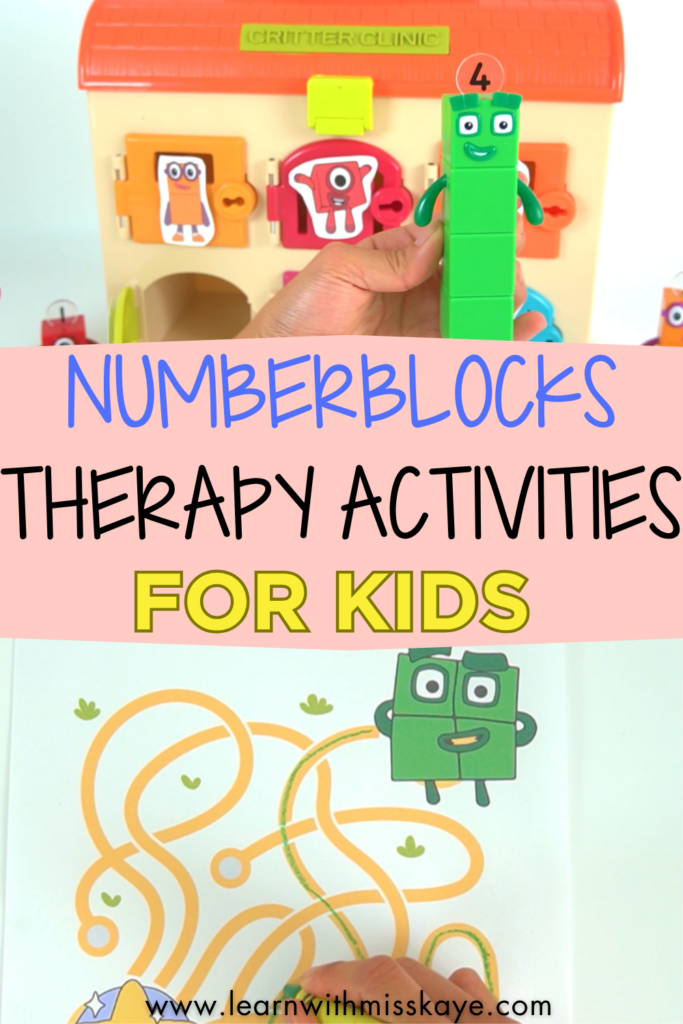
To rescue Numberblock Four, we completed a simple maze to help find the way out.
Maze activities are excellent for developing:
- visual tracking
- pencil control
- concentration
- problem-solving
- planning ahead
These early skills help prepare children for handwriting and other classroom tasks.
Speech-language pathologists can extend the activity by encouraging children to describe the path using words such as:
- up
- down
- left
- right
- turn
- stop
It’s a simple activity that supports both language and early learning.
Rescue Numberblock Five: Sensory Bin Adventure
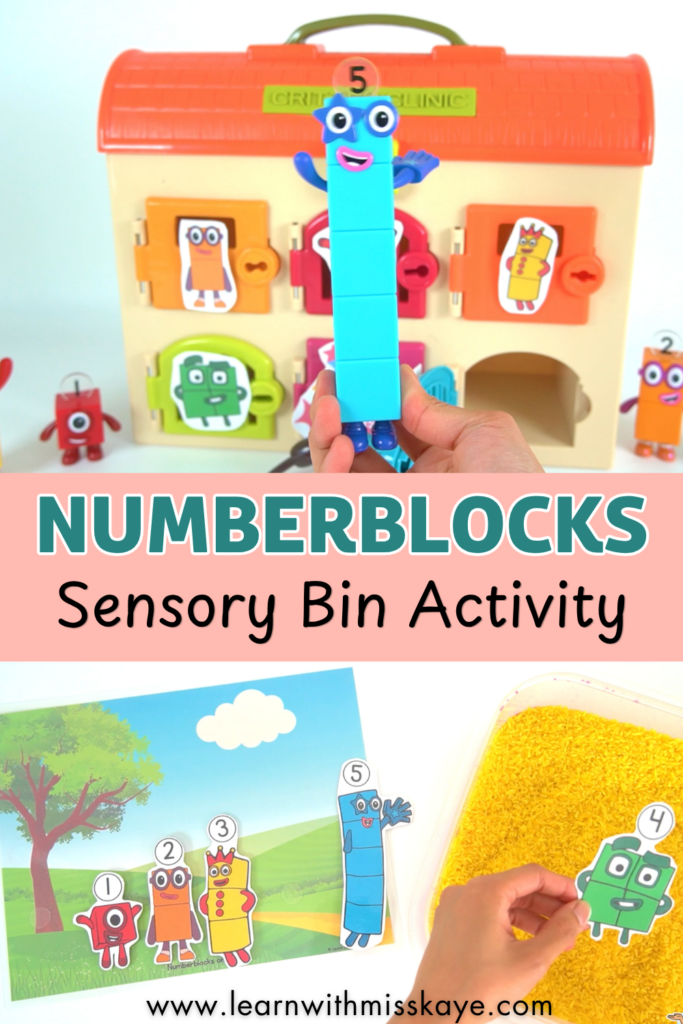
For our final rescue mission, we searched through a sensory bin to find Numberblocks One through Five.
Once we discovered each Numberblock toy, we placed them in numerical order on our worksheet.
Sensory bin activities are a wonderful way to combine early math with hands-on exploration. Many preschoolers love digging, searching, and discovering hidden objects, making this one of the most engaging Numberblocks activities to include in a learning session.
This activity helps develop:
- number recognition
- counting
- sequencing
- tactile exploration
- sensory processing
- fine motor skills
- attention and focus
For many autistic learners and children participating in occupational therapy or speech therapy, sensory-based learning can provide meaningful opportunities to practice communication, following directions, and interactive play while exploring materials they enjoy.
We can use simple language models like this that will work really well for gestalt language processors:
- Let’s find Numberblock One.
- Mmmm, what’s next?
- Let’s get another one.
- We found them!
The Surprise Door Keeps Kids Curious Until the End
After rescuing Numberblocks One through Five, one locked door still remained.
The mystery surprise door!
Before we could open it, we had to arrange Numberblocks One through Five in the correct order to earn the final key.
Adding a surprise ending is a simple way to increase motivation, attention, and perseverance. Children stay excited because they want to discover what’s hiding behind the last door, making them more willing to complete each learning activity along the way.
Sometimes a little curiosity is all it takes to turn a learning activity into an unforgettable adventure.
Learning is often most meaningful when it feels like play. By turning early math into a rescue mission, these Numberblocks activities help preschoolers build number recognition, fine motor skills, problem-solving, and language through hands-on fun.