


There are some books that get read once and then quietly disappear back onto the shelf.
And then there are books like Brown Bear, Brown Bear, What Do You See?
If you’re anything like me, you’ve probably read this book more times than you can count!
My daughter has always loved the colorful animals and repetitive text, and it’s one of those stories that little learners quickly memorize and begin “reading” right along with you. As a teacher and a mom, I love that it naturally opens the door to so many learning opportunities without feeling like work.
Over the years, I’ve used this story for circle time, story retelling, fine motor activities, color recognition, and even early literacy practice. Today I’m sharing some of our favorite ways to bring this beloved book to life.
Start With the Story
Whenever possible, I like to begin by simply enjoying the book together.
It’s tempting to jump straight into activities, but some of our best conversations happen while we’re curled up on the couch reading a favorite story.
If you’d like, you can also watch my interactive story retelling below.
Make Story Time Very Interactive
One of the things I love most about Brown Bear, Brown Bear is how naturally it invites children to participate.
Whether you’re reading with one child or a whole group, simple interactive activities can help keep little learners engaged and excited about the story.
Some of our favorite ideas include:
- Guessing which animal comes next
- Matching animals to colors
- Using character story props during reading
- Acting out the story together
- Encouraging children to retell parts of the story
The goal isn’t to quiz children or get the “right” answer. It’s to make reading feel like an adventure that they can actively participate in.
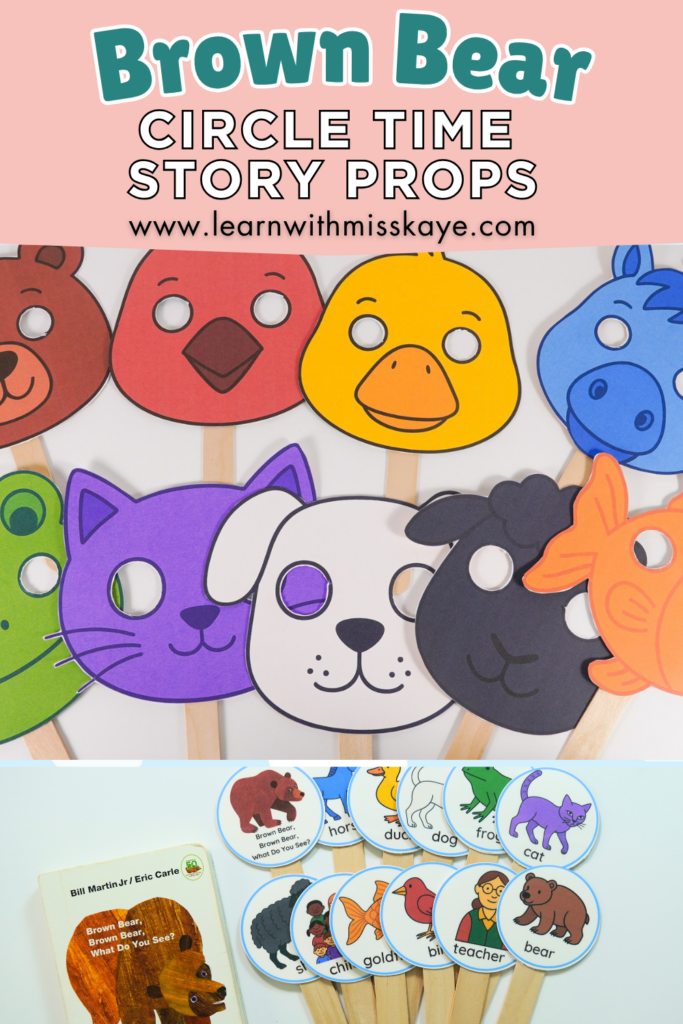
Bring the Story to Life With Story Props
One of my daughter’s favorite ways to revisit a story is through story props.
There’s something magical about placing the characters in little hands and watching children take ownership of the story. They begin retelling it in their own words, acting it out, and noticing details they may have missed during reading.
Story retelling is also a wonderful way to support vocabulary, sequencing, and language development.
Add Some Pretend Play With Character Masks
I love activities that encourage children to actively participate in stories. One of our favorite ways to do that is with character masks.
There’s something special about watching a child put on a Brown Bear or Yellow Duck mask and instantly become part of the story. Even children who are hesitant to participate often become more engaged when they can pretend to be one of the characters.
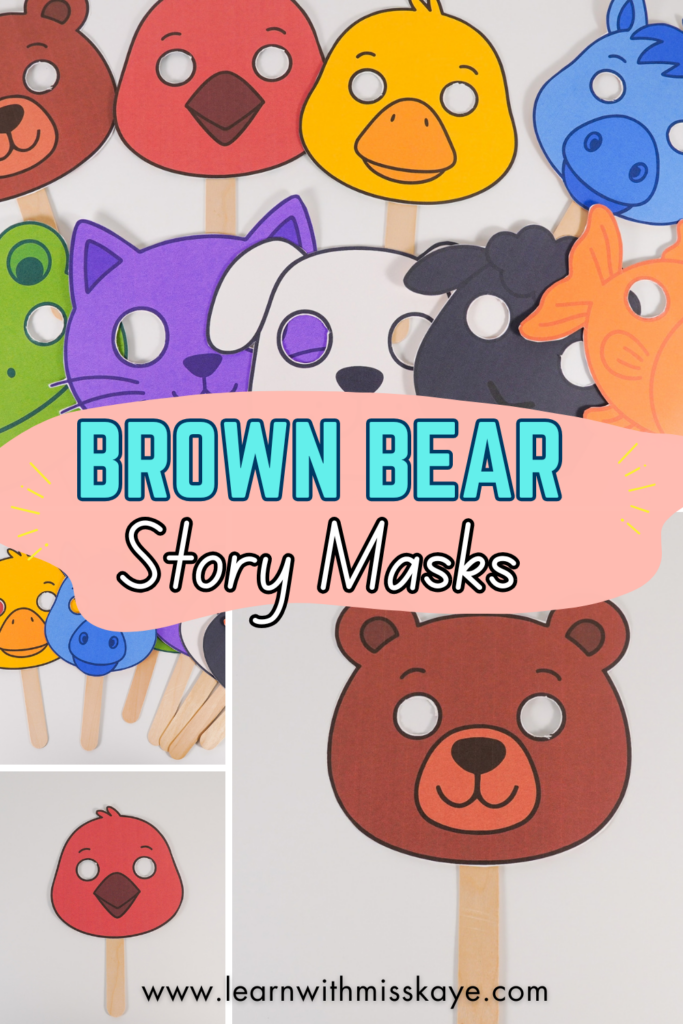
You can use the masks in so many ways:
- Act out the story together
- Retell the story in sequence
- Play a simple “Who Am I?” guessing game
- Match characters to their colors
- Encourage language and conversation during pretend play
A Little Gift for You
Before we continue, I’d love to invite you to join Miss Kaye’s Learning Library.
Inside you’ll find free story-themed activities, printables, and hands-on learning resources designed to help make learning fun and meaningful for little learners.
UNLOCK Access to
Miss Kaye Learning Library
Join Learn With Miss Kaye community and unlock a growing collection of free printables, story themed activities, hands-on learning , and exclusive resources for little learners — all in one place.
Take a Little peek at what’s inside..
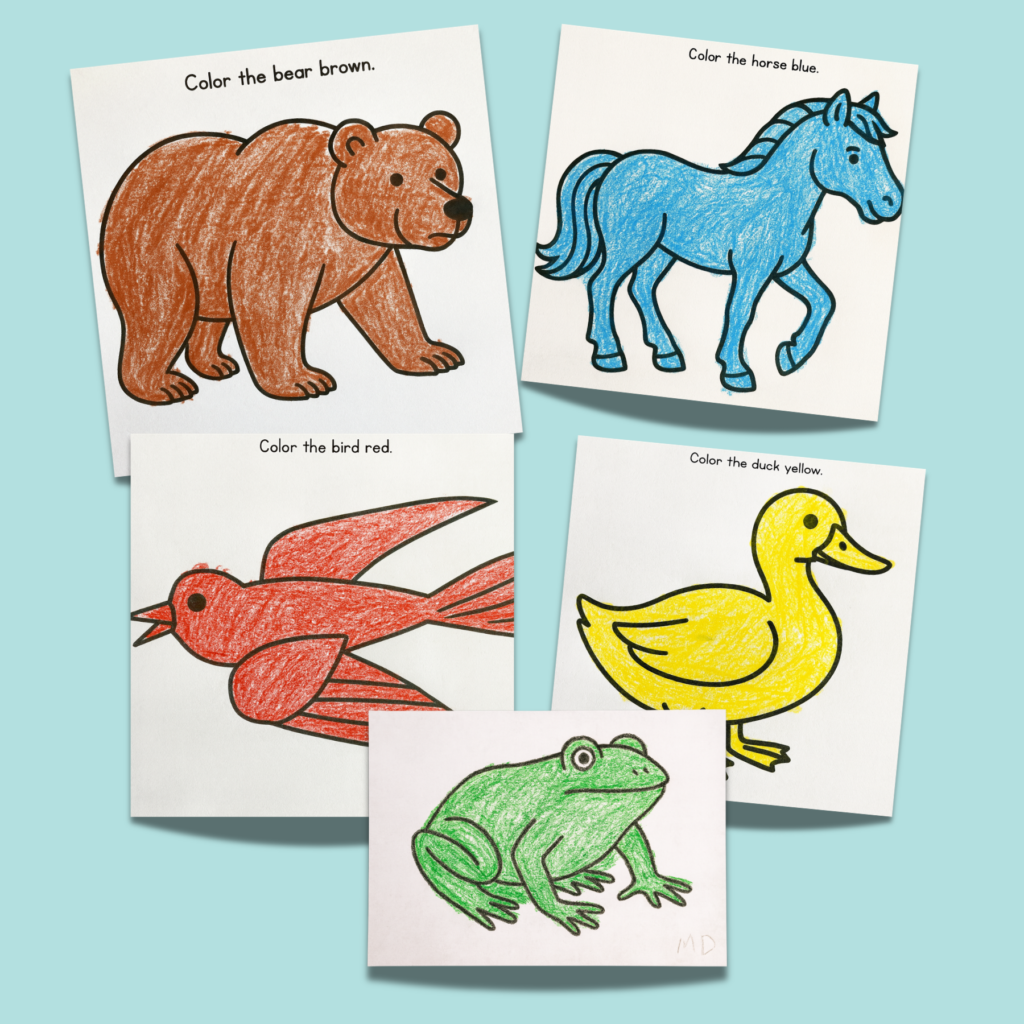
COLORING PAGES

FUN CRAFTS
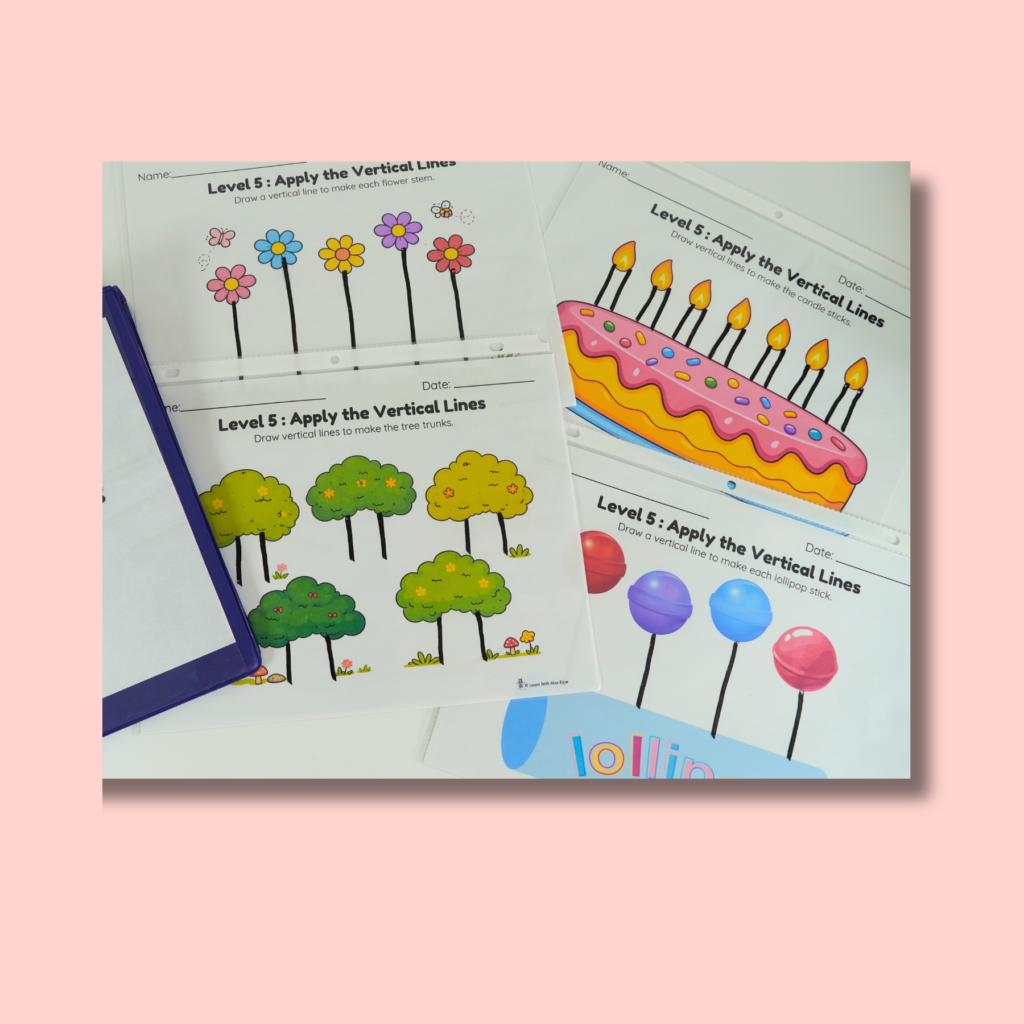
WORKBOOKS
Bring the Characters Off the Page With Stuffed Animals
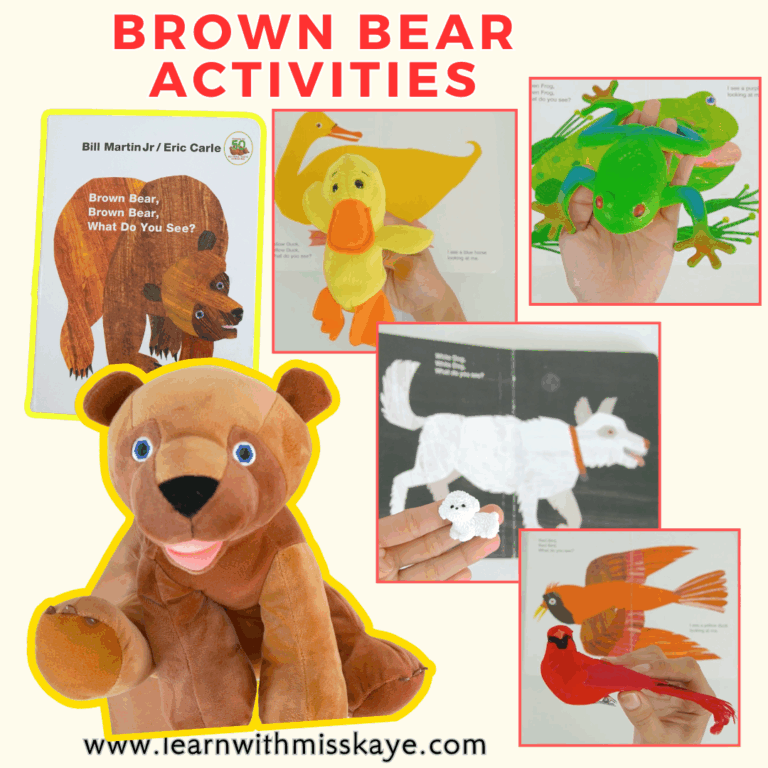
If you happen to have stuffed animals that match some of the characters in Brown Bear, Brown Bear, What Do You See?, don’t underestimate how powerful they can be!
Children naturally connect with toys, and introducing stuffed animals during story time can make the characters feel even more real and memorable.
Whenever possible, I like to place the stuffed animals beside the book as we read. As each animal appears in the story, children can hold, point to, or interact with the matching toy. This simple addition often helps children stay engaged and excited throughout the reading experience.
Stuffed animals can also be used for:
- Story retelling
- Character matching
- Vocabulary practice
- Pretend play
- Following directions
- Sequencing activities
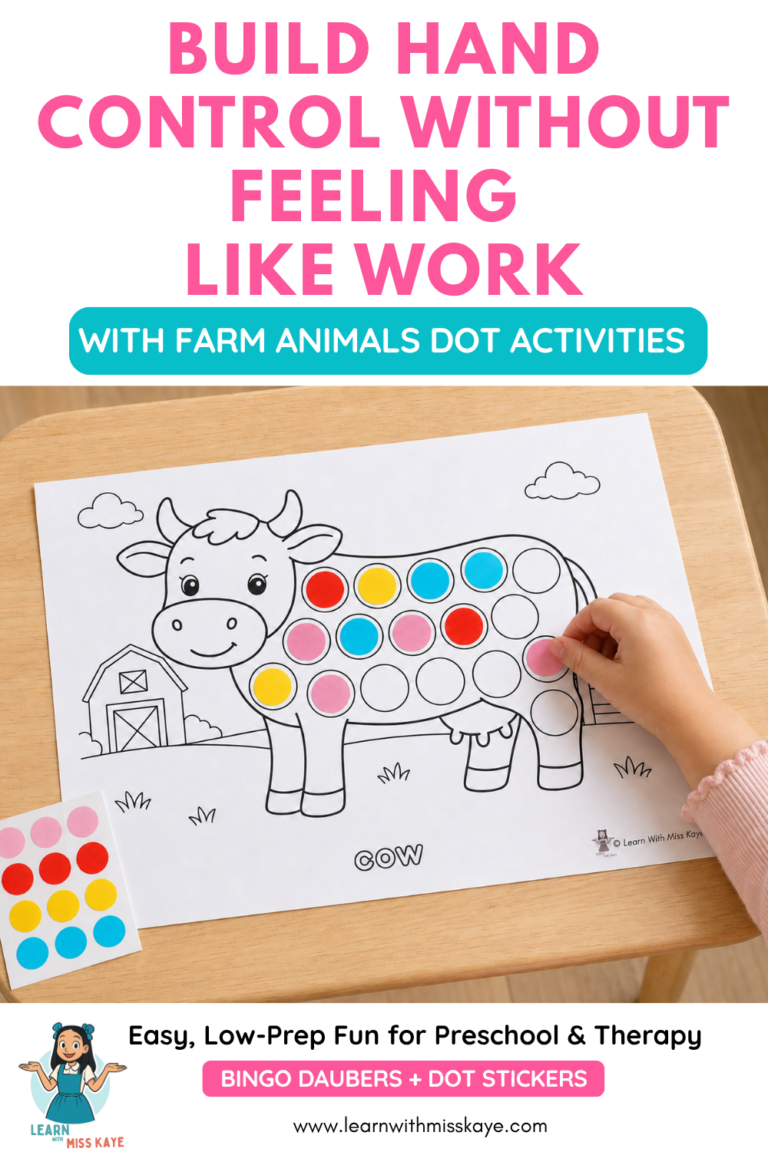
Practice Fine Motor Skills With Bingo Dot Marker Activities
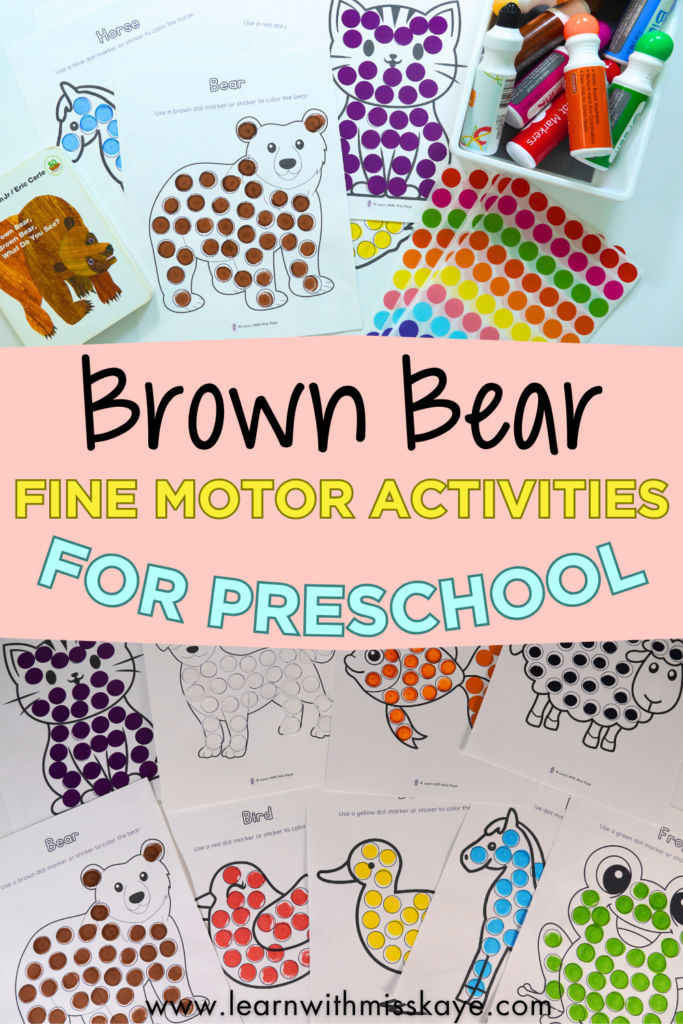
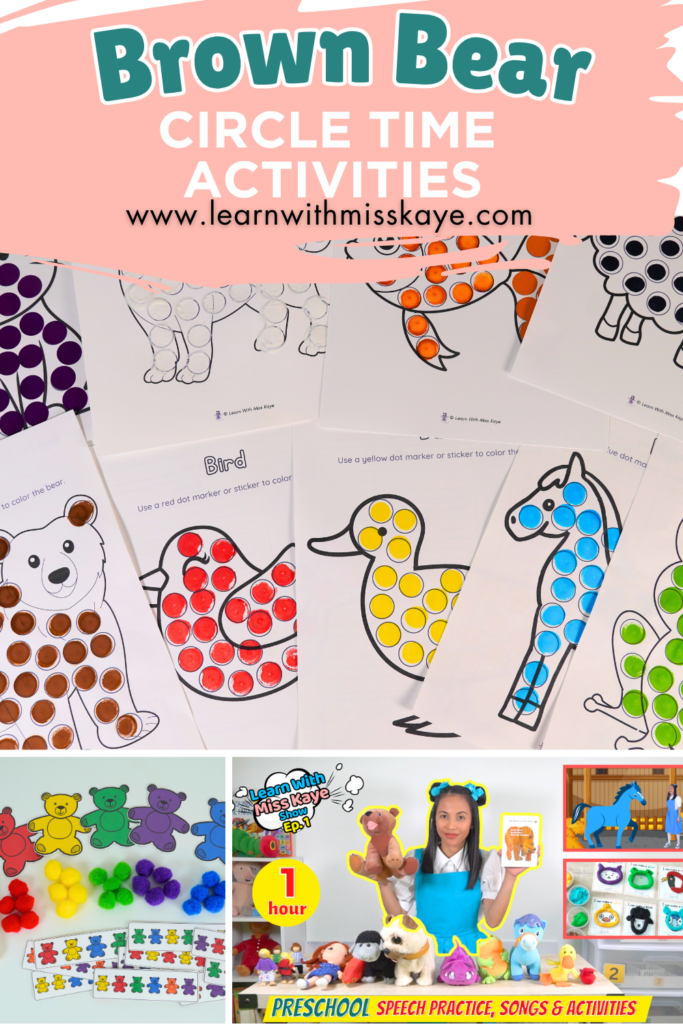
Bingo dot markers and dot stickers have always been a favorite in our home because they’re simple, mess-free, and so much fun for little learners.
After reading Brown Bear, Brown Bear, What Do You See?, dot marker activities are a great way to continue the learning while giving children an opportunity to strengthen their fine motor skills.
My daughter especially loved finding her favorite characters from the story and covering the dots one by one. It’s a simple activity, but it helps build hand-eye coordination, pencil control, attention, and concentration—all while reinforcing familiar story characters.
Some children enjoy using bingo daubers, while others prefer:
- Dot stickers
- Finger paint
- Q-tips and paint
- Crayons or markers
- Small manipulatives for covering the circles
Get Little Learners Moving
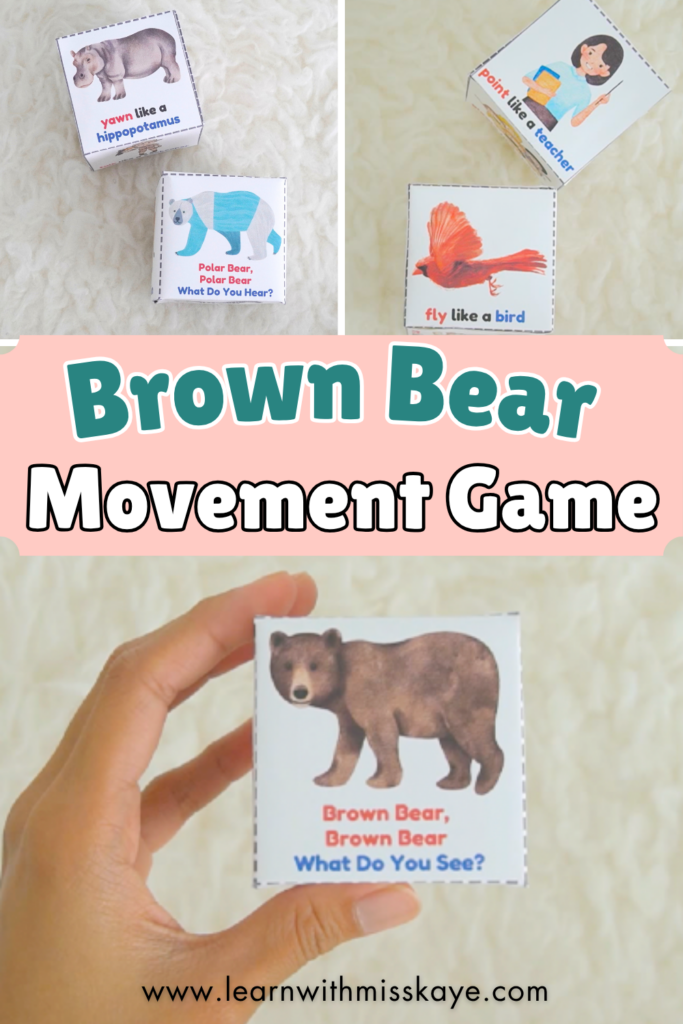
After reading a story together, many children are ready to move—and Brown Bear, Brown Bear, What Do You See? provides the perfect opportunity to combine literacy and movement.
One of my favorite ways to extend learning is by turning the story into a movement activity. Instead of simply talking about the animals, children can pretend to become them!
Can you growl like a bear?
Waddle like a duck?
Leap like a frog?
These simple movements help children stay engaged while reinforcing story comprehension, vocabulary, and listening skills.
To make it even more fun, I created Brown Bear Movement Cubes that encourage children to move, act, and play while interacting with the story characters. Simply roll the cube and perform the movement that matches the animal.
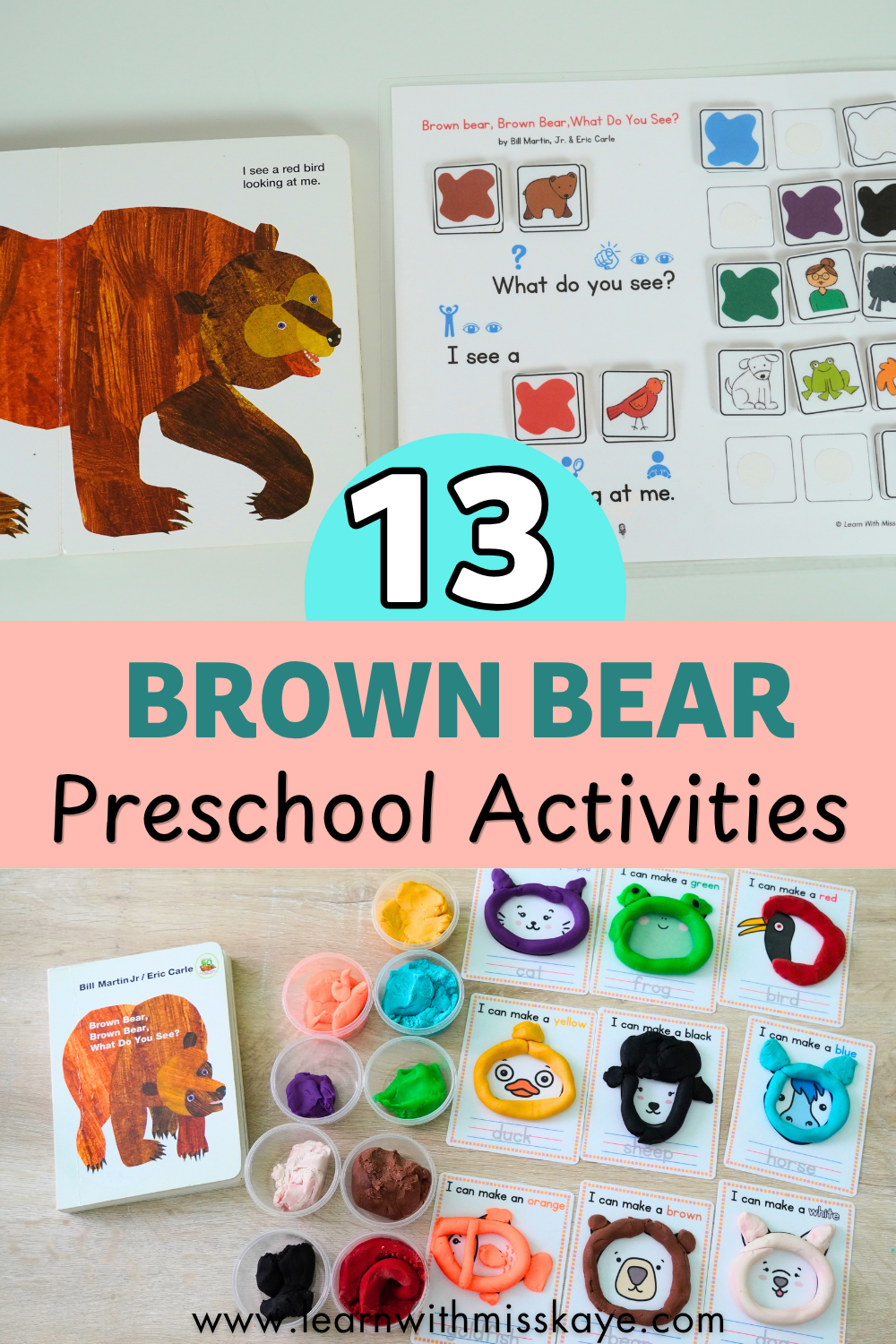
Extend the Learning With Playdough Mats
Playdough is one of those activities that never seems to lose its magic.
Whenever I pull out the playdough, children are instantly excited to join in. It’s a wonderful hands-on way to extend learning after reading Brown Bear, Brown Bear, What Do You See? while giving little hands a fun workout.
My Brown Bear playdough mats invite children to interact with the story characters in a creative and open-ended way. Children can roll, pinch, flatten, and shape playdough while talking about the animals, colors, and events from the story.
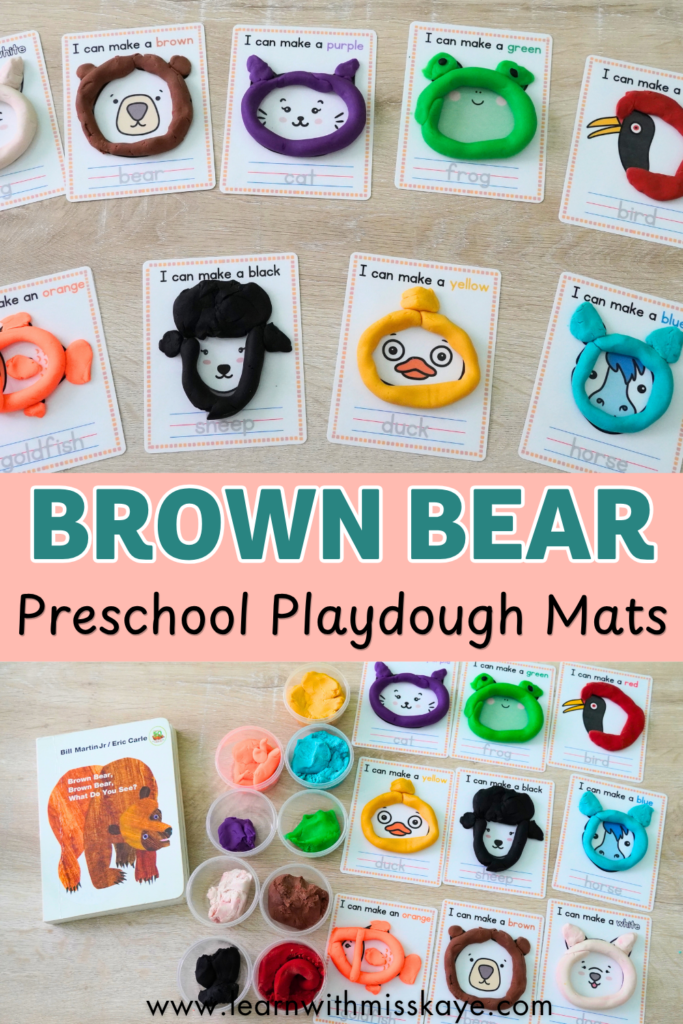
I love that there isn’t just one “right” way to use them. Some children enjoy decorating the animals with playdough, while others create their own story scenes or use the mats as conversation starters.
Playdough activities are also wonderful for developing:
- Fine motor strength
- Hand-eye coordination
- Creativity and imagination
- Vocabulary and storytelling skills
- Focus and attention
Support Differentiated Learning With an Adapted Story
One thing I’ve learned over the years is that every child experiences stories differently.
Some children can sit through an entire book and easily follow along, while others benefit from additional visual supports to help them stay engaged and understand what’s happening in the story.
That’s why I love using adapted stories.
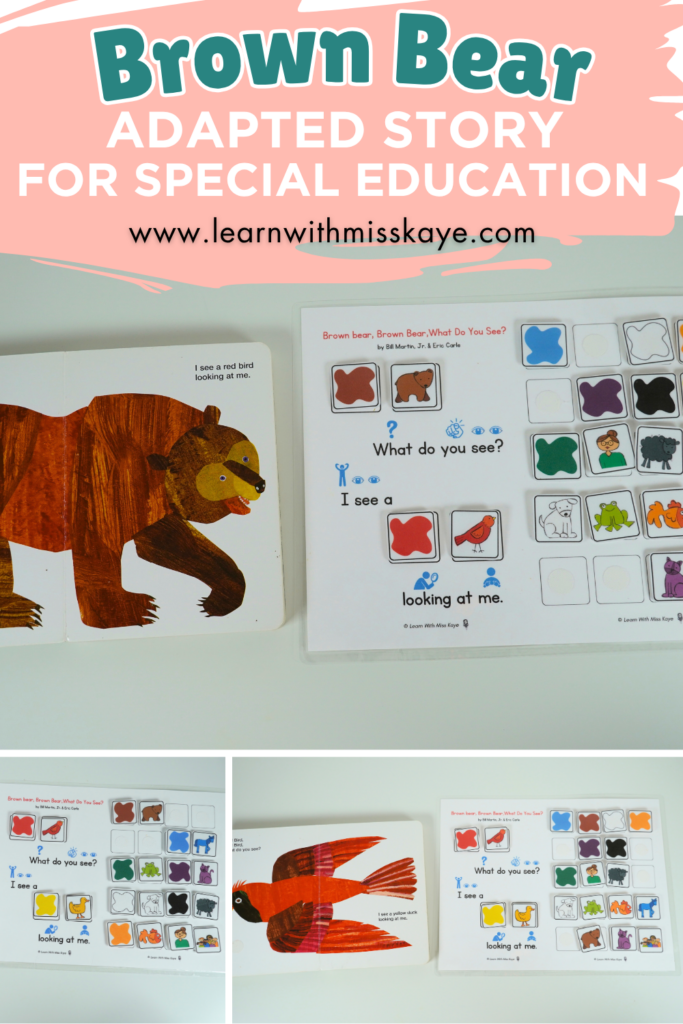
An adapted version of Brown Bear, Brown Bear, What Do You See? gives children opportunities to actively participate while reading. Instead of simply listening, children can interact with the story by matching pictures, identifying characters, and responding to simple prompts as the story unfolds.
I especially enjoy using adapted stories with:
- Early learners
- Children diagnosed with autism spectrum disorder
- Speech and language learners
- English language learners
- Children who benefit from visual supports
- Any child who learns best through hands-on participation
Learning Colors Through Play
After reading the story, one of our favorite follow-up activities is color sorting using printable sorting mats and colorful pompom balls.
Children love the hands-on nature of this activity. As they sort the pompoms onto the matching color mats, they’re not only practicing color recognition, but also strengthening important skills like visual discrimination, sorting, and fine motor coordination.
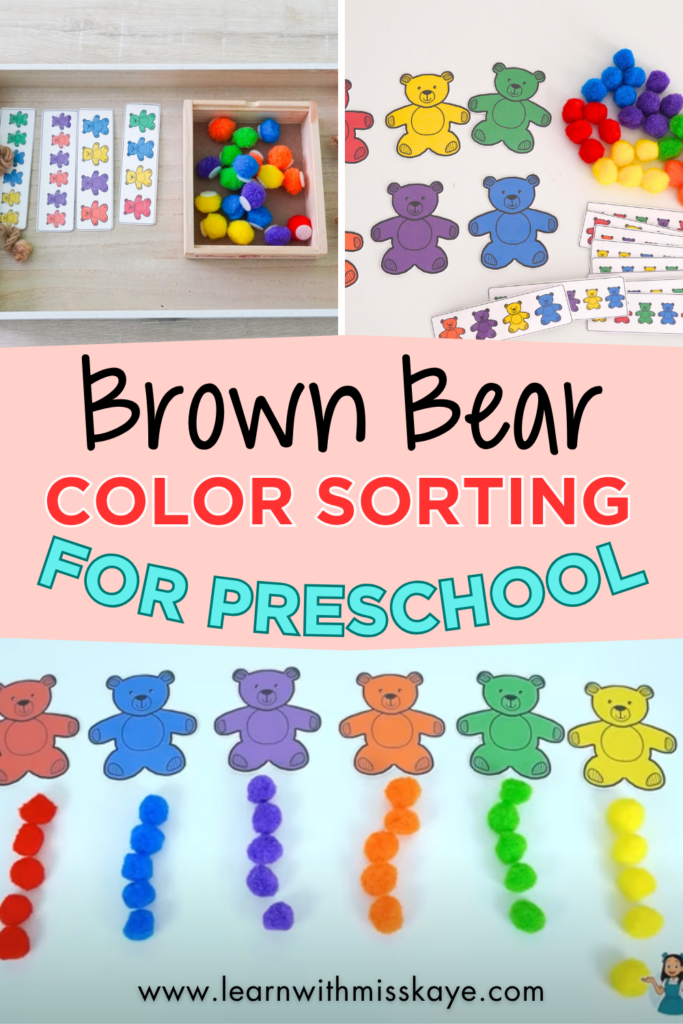
I like to invite children to name the colors as they sort, talk about the animals from the story, or even retell parts of the book while they play. It’s a simple activity, but it creates so many opportunities for learning and conversation.
For children who enjoy sensory play, you can also switch things up by using:
- Colored buttons
- Mini erasers
- Linking cubes
- Pom-poms and tweezers
- Colored paper circles
Turn the Story Into a Song
Many children naturally respond to music, rhythm, and repetition, which makes Brown Bear, Brown Bear, What Do You See? the perfect story to sing. The predictable pattern and repetitive text help children join in quickly, even if they aren’t yet able to read the words independently.
Sometimes we’ll sing the story using a familiar tune, and other times we’ll simply add a steady rhythm as we read. Before long, children are eagerly singing along and anticipating which animal comes next.
Singing the story can help support:
- Vocabulary development
- Listening skills
- Language and communication
- Memory and recall
- Participation and engagement
Strengthen Story Sequencing With Story Strips
After reading Brown Bear, Brown Bear, What Do You See?, children can use story strips to retell the story from beginning to end.
I love story strips because they’re versatile and can be used in many different ways:
- Retell the story independently
- Sequence the characters in order
- Practice vocabulary and color recognition
- Use as a visual support during story retelling
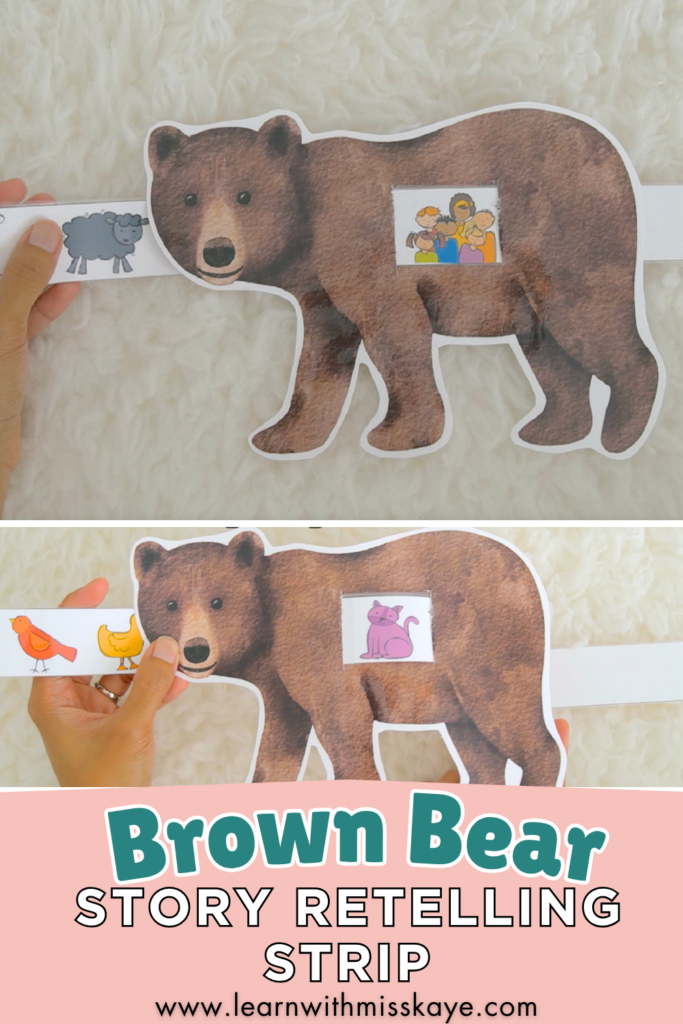
Story strips are also great for travel, quiet time, therapy sessions, centers, and independent learning activities because they’re simple to prepare and easy to use.
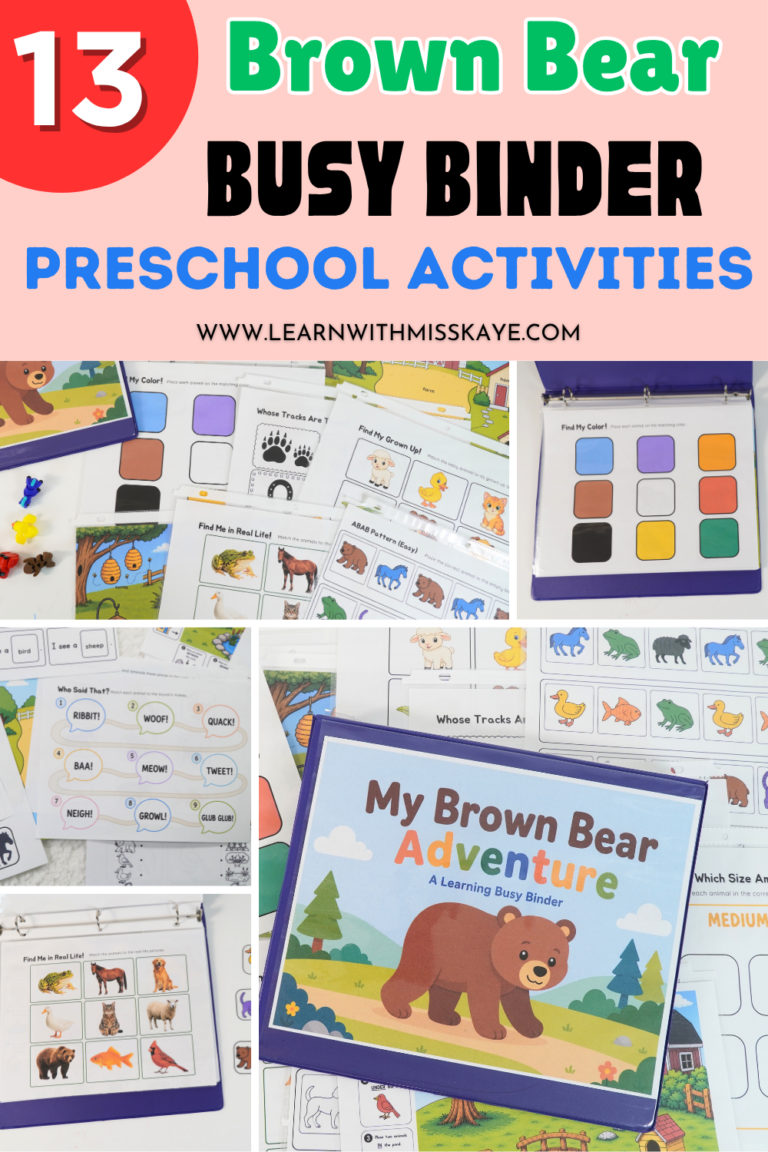
Extend the Learning With a Story-Themed Busy Binder
Busy binders are one of my favorite ways to combine learning and play because they encourage children to actively interact with concepts from the story while practicing important preschool skills.
Inside a story-themed busy binder, children might:
- Match colors and animals
- Sequence story characters
- Practice visual discrimination
- Build vocabulary
- Strengthen fine motor skills
- Retell the story using visual supports
I especially love busy binders because children can revisit them again and again. Each time they open the binder, they’re reconnecting with a familiar story while building confidence through independent learning.
Whether you’re a parent looking for a quiet learning activity, a teacher planning literacy centers, or a therapist searching for engaging story extensions, a story-themed busy binder can be a wonderful way to make learning both meaningful and fun.
Check Out the Full Bundle
If you’re anything like me, once you find a book that your child or students love, you want to make the most of it!
That’s exactly why I created my Brown Bear Activities Bundle.
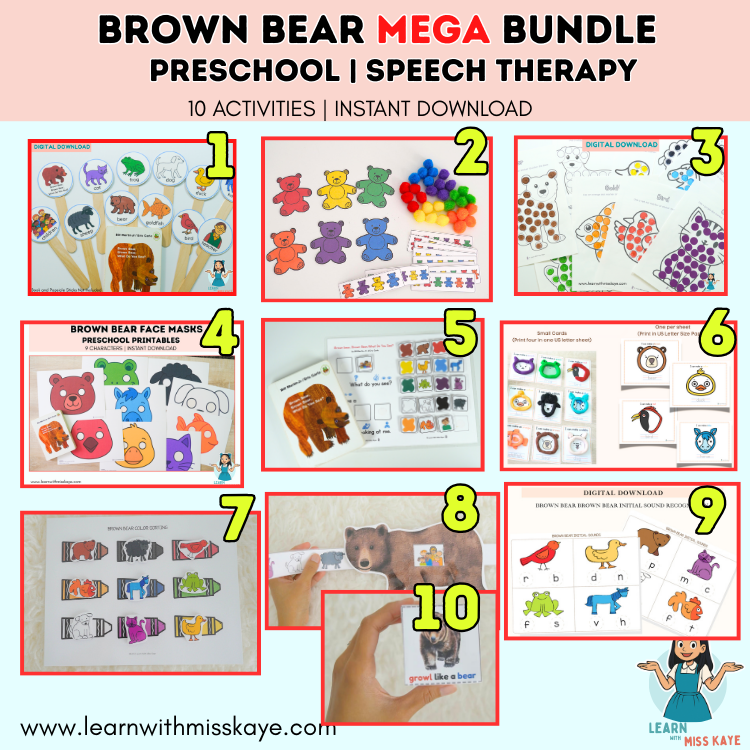
Instead of searching for multiple activities, printing resources from different places, or trying to come up with new ideas every day, this bundle brings together a variety of story-inspired activities that help children learn through play, movement, and hands-on exploration.
Happy learning and happy storytelling!