


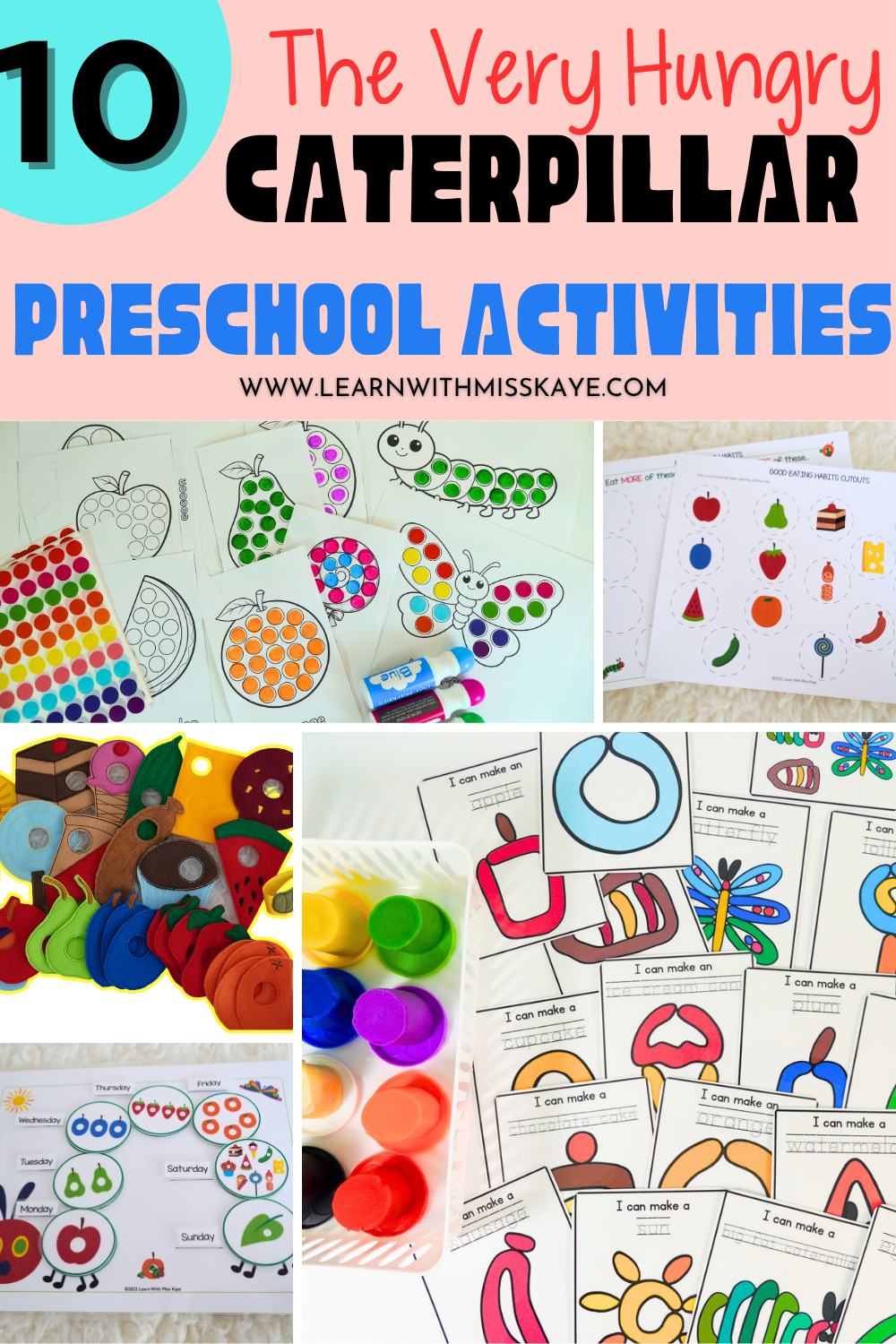
If you’ve read The Very Hungry Caterpillar more times than you can count, you’re definitely not alone!
This classic Eric Carle story has been a favorite in our home and in preschool classrooms for years. Kids love following the little caterpillar as he munches his way through all the delicious foods before transforming into a beautiful butterfly.
The best part? This story naturally lends itself to so many fun learning activities.
Whether you’re a parent, teacher, homeschooler, or therapist, here are some of my favorite ways to extend the learning after reading The Very Hungry Caterpillar.
Bring the Story to Life with Story Props
One of my favorite ways to use this book is with story retelling props during circle time.
Instead of simply reading the story, children can actually see the caterpillar, foods, cocoon, and butterfly as the story unfolds. This simple visual support helps little learners stay engaged and makes story time much more interactive.
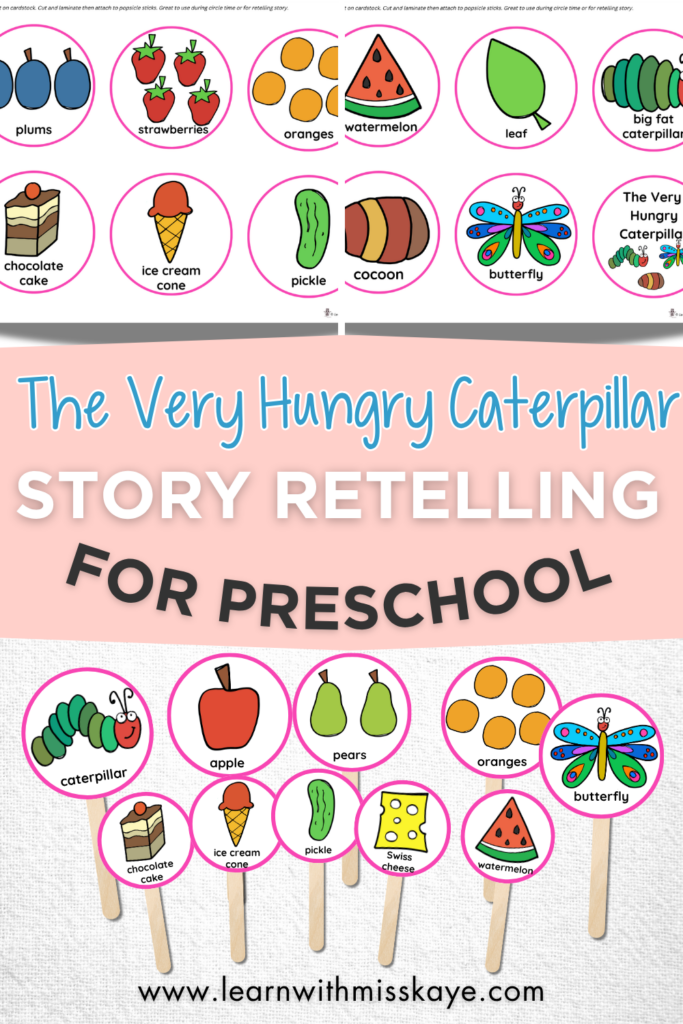
As I read, I hold up the matching character or food prop so children can follow along with the story. Before long, they start joining in and eagerly tell me what comes next!
These story props are wonderful for:
- Autism-friendly visual supports
- Circle time visuals
- Story retelling activities
- Small group instruction
- Speech therapy sessions
Make the Story Interactive with Felt Story Pieces
One of my favorite ways to read The Very Hungry Caterpillar is by turning story time into an interactive experience.
Just like I did in my video, you can use felt story pieces or printable story props to bring the book to life. Instead of simply listening, they become active participants in the reading experience.
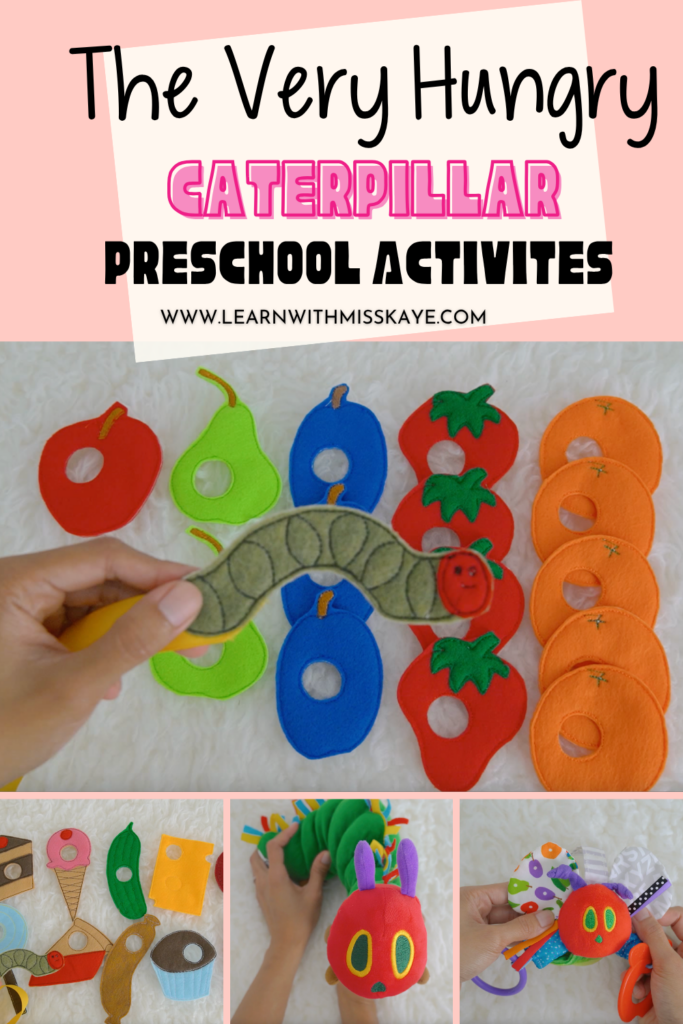
Children love helping the caterpillar “eat” the foods as the story unfolds. They can move the pieces, count the foods, predict what comes next, and retell parts of the story along the way.
Using visual story pieces helps children:
- Stay engaged during read-alouds
- Follow the sequence of events
- Build vocabulary and comprehension
- Participate more confidently during circle time
- Retell the story independently
A Little Gift for You
Before we continue, I’d love to invite you to join Miss Kaye’s Learning Library.
Inside you’ll find free story-themed activities, printables, and hands-on learning resources designed to help make learning fun and meaningful for little learners.
UNLOCK Access to
Miss Kaye Learning Library
Join Learn With Miss Kaye community and unlock a growing collection of free printables, story themed activities, hands-on learning , and exclusive resources for little learners — all in one place.
Take a Little peek at what’s inside..
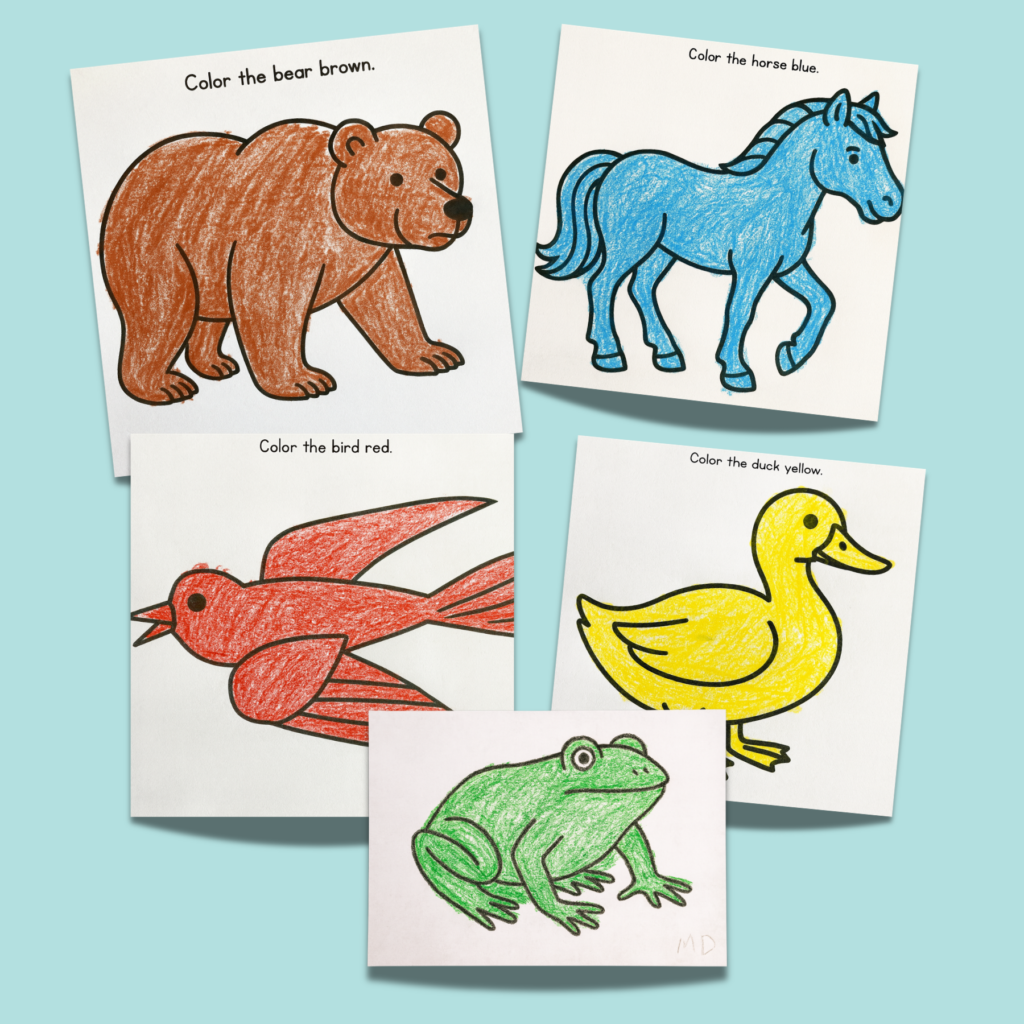
COLORING PAGES

FUN CRAFTS
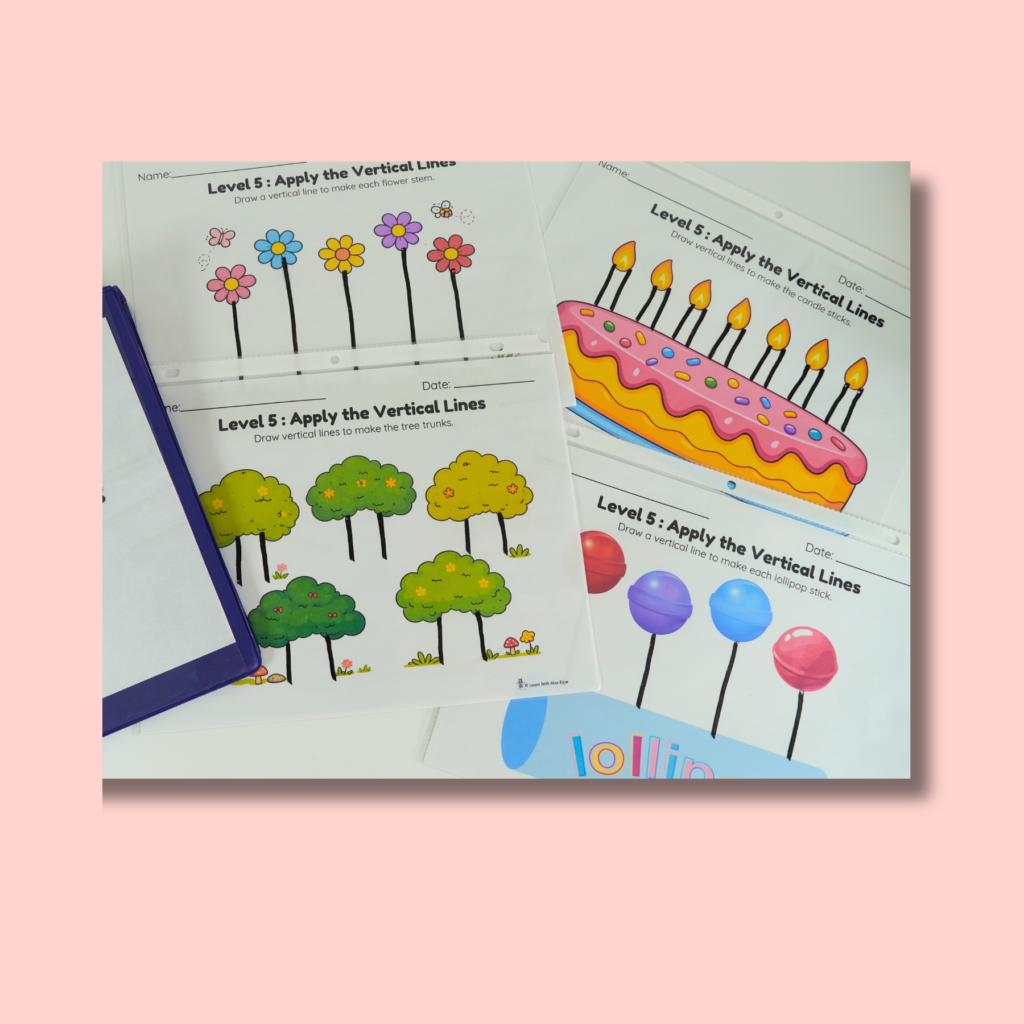
WORKBOOKS
Practice Story Sequencing
Can the child remember what the caterpillar ate first?
What about next?
Or what happened at the very end?
Sequencing activities are a simple way to help children strengthen comprehension while having fun.
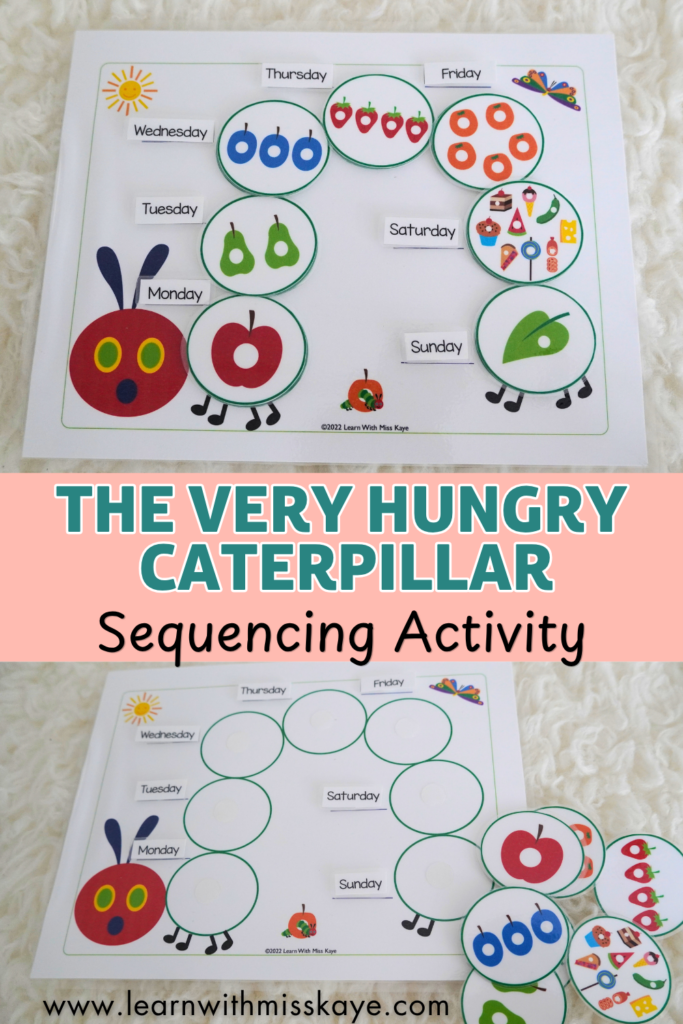
After reading, lay out the foods from the story and see if the child can place them in order. Don’t worry if they need help at first. Half the fun is flipping through the book together to check their answers!
This sequencing activity naturally encourages conversation and helps children pay attention to story details.
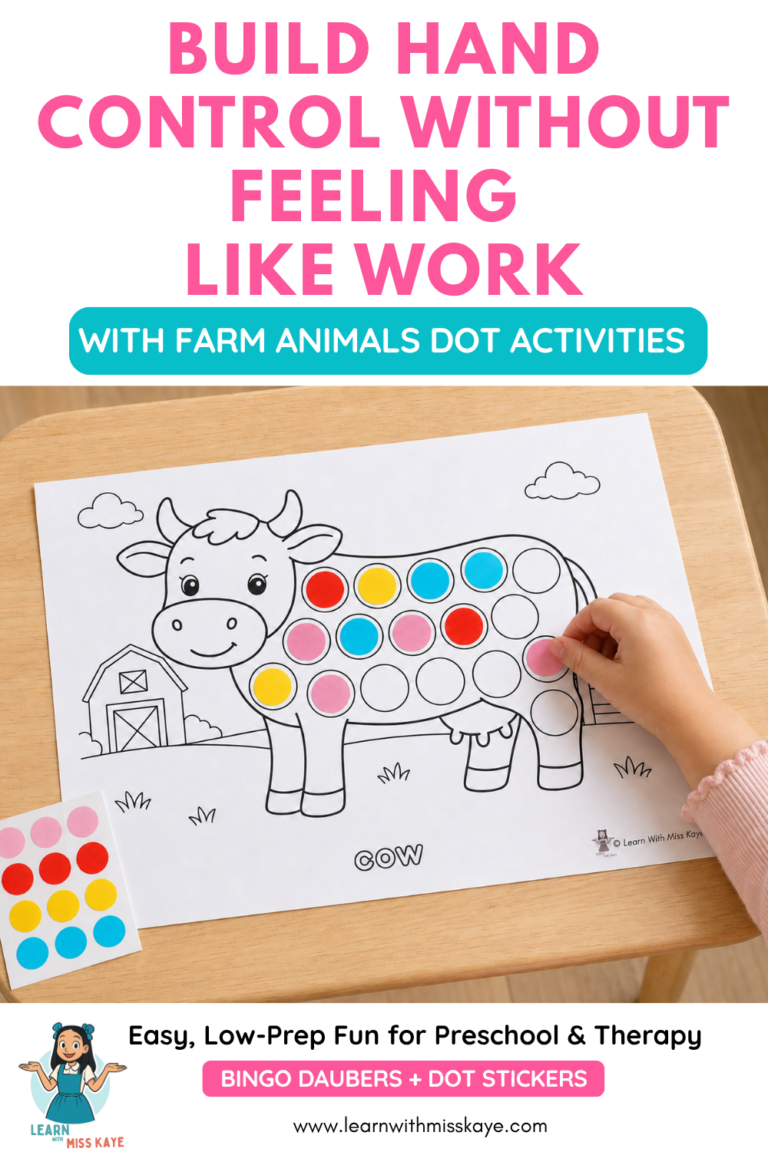
Have Fun with Dot Marker Activities
If your child loves dot markers, this activity is always a hit.
There’s just something magical about those colorful bingo daubers!
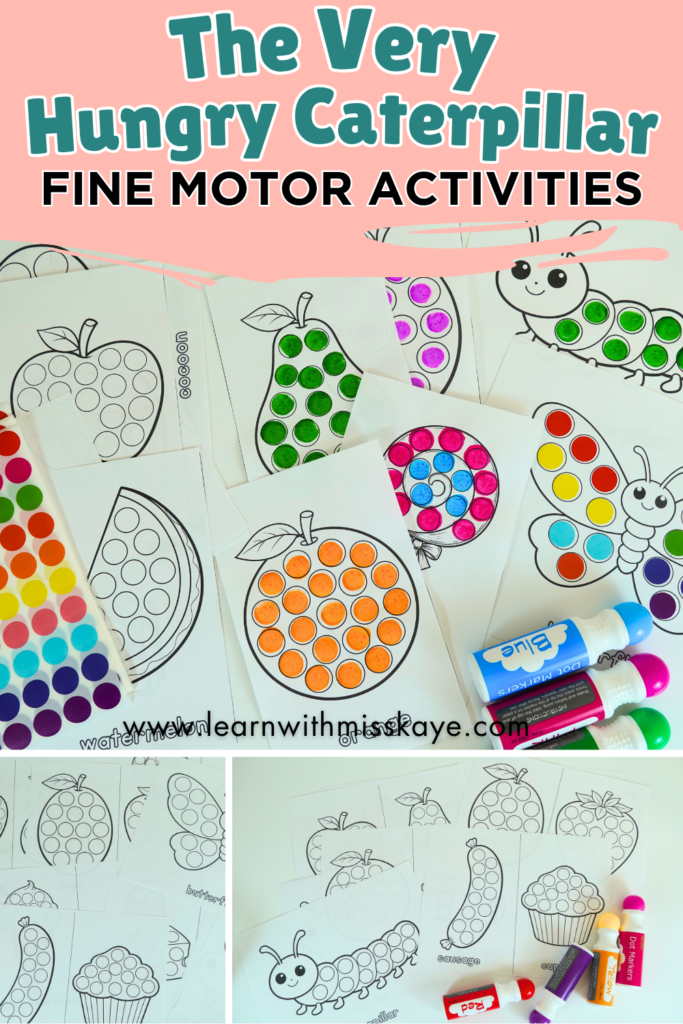
Dot marker activities are a wonderful way to practice fine motor skills while keeping little hands busy. They’re easy to set up, require almost no prep, and work well for independent practice. You can even use dot sticker for this.
I especially love using them during:
- Morning work
- Quiet time
- Learning centers
Get Those Little Hands Working with Playdough Mats
Playdough is always a winner in our house.
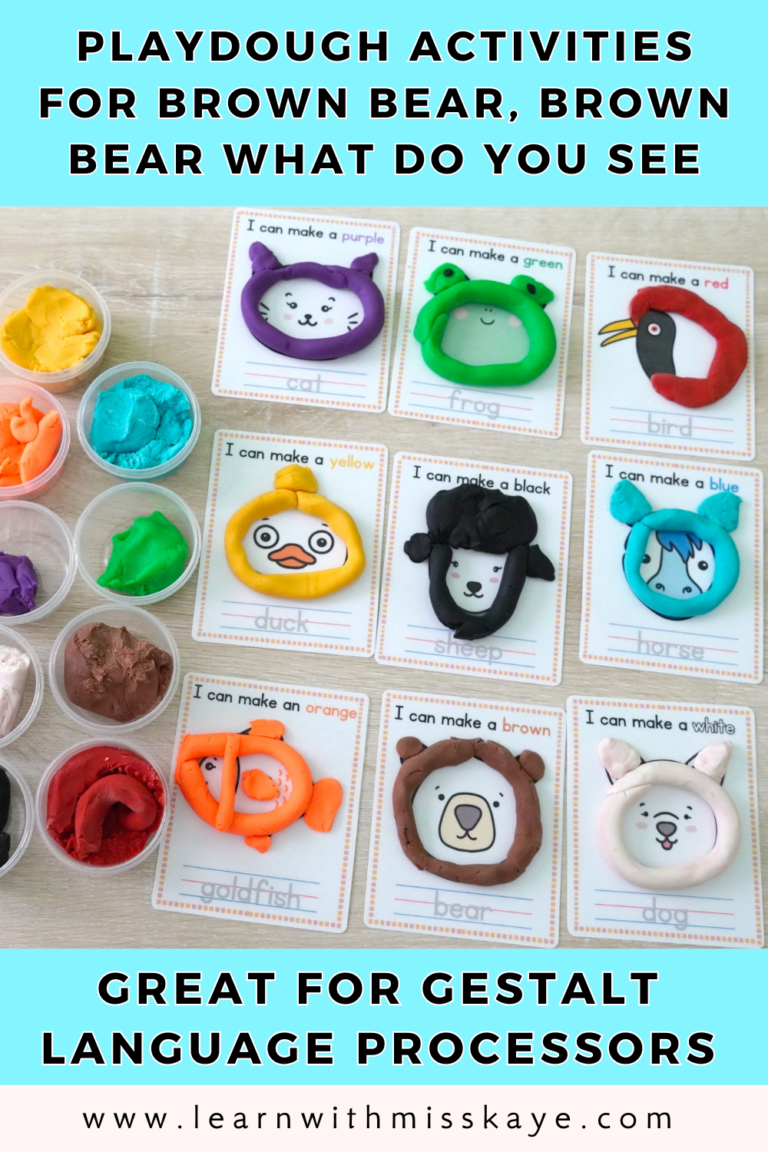
Children can roll, squish, pinch, and shape playdough while talking about the story. I love using playdough mats here because kids can easily follow the guide.
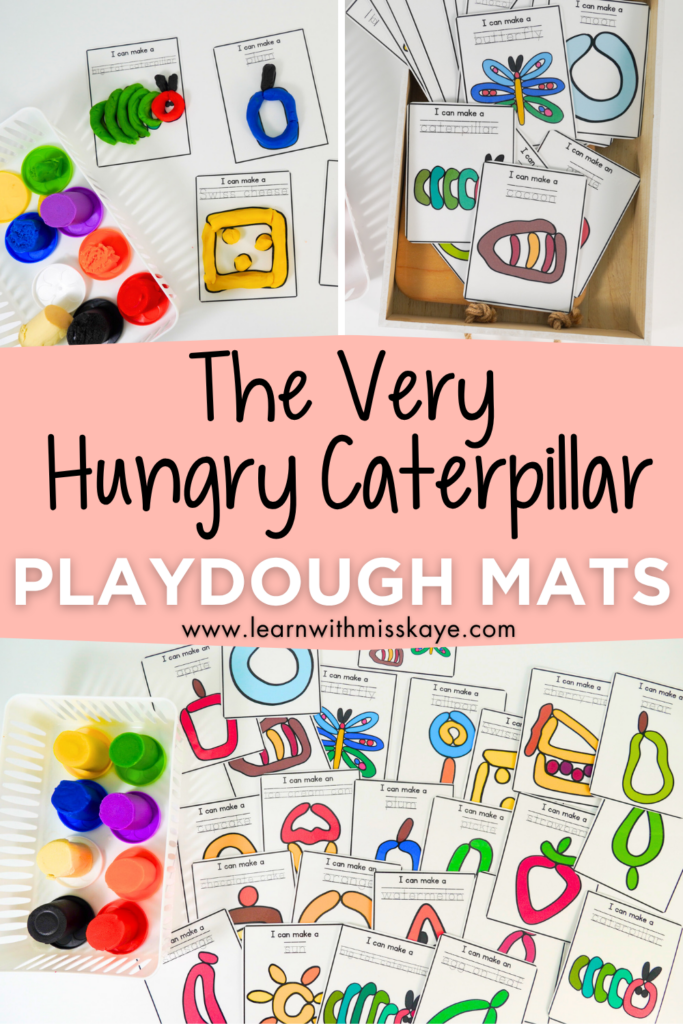
Try making:
- A long caterpillar
- Fruits from the story
- A butterfly
Not only is it fun, but it also helps strengthen little hands for future writing skills. And honestly, if an activity keeps children happily engaged for more than five minutes, I consider it a success!
Encourage Kids to Feed the Caterpillar
If your children love hands-on activities, they’ll have so much fun with this Feed the Caterpillar printable!
This simple activity turns story time into an interactive learning experience. After reading The Very Hungry Caterpillar, children can “feed” the caterpillar the foods from the story while practicing sequencing, vocabulary, and fine motor skills.
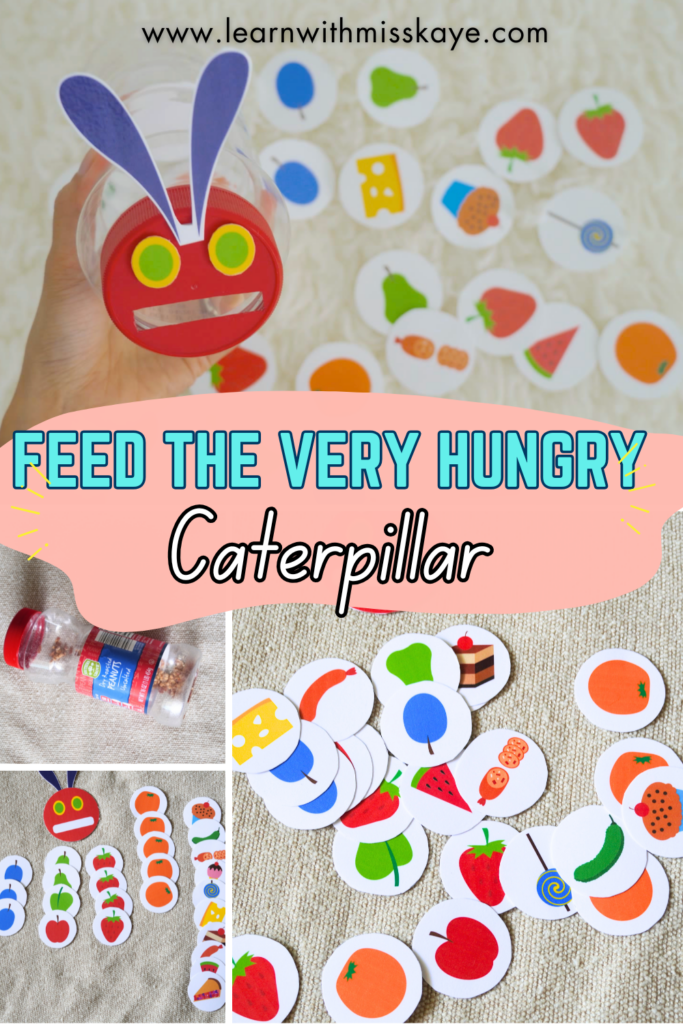
One of my favorite things about this activity is that you can make it using materials you probably already have at home.
For my caterpillar, I used an empty peanut jar as the caterpillar’s body. I cut a slit on the lid and it was perfect for feeding the food pieces into the caterpillar’s mouth. If you don’t have a peanut jar available, an empty oatmeal container or potato chip canister works just as well.
Simply attach the caterpillar eyes to the front of the container, cut out the food pieces, and let the fun begin!
Children love pretending to feed the caterpillar:
- One apple
- Two pears
- Three plums
- Four strawberries
- Five oranges
As they play, they’re naturally practicing:
- Story sequencing
- Counting skills
- Fine motor development
- Following directions
- Vocabulary building
Review Days of the Week by Sequencing
One thing I love about The Very Hungry Caterpillar is how it introduces the days of the week in such a meaningful way. Instead of memorizing the days in isolation, children connect each day with a part of the story.
After reading, challenge your little learner to remember what the caterpillar ate on each day of the week. Did he eat one apple on Monday? What came after Tuesday? Which foods did he eat on Friday?
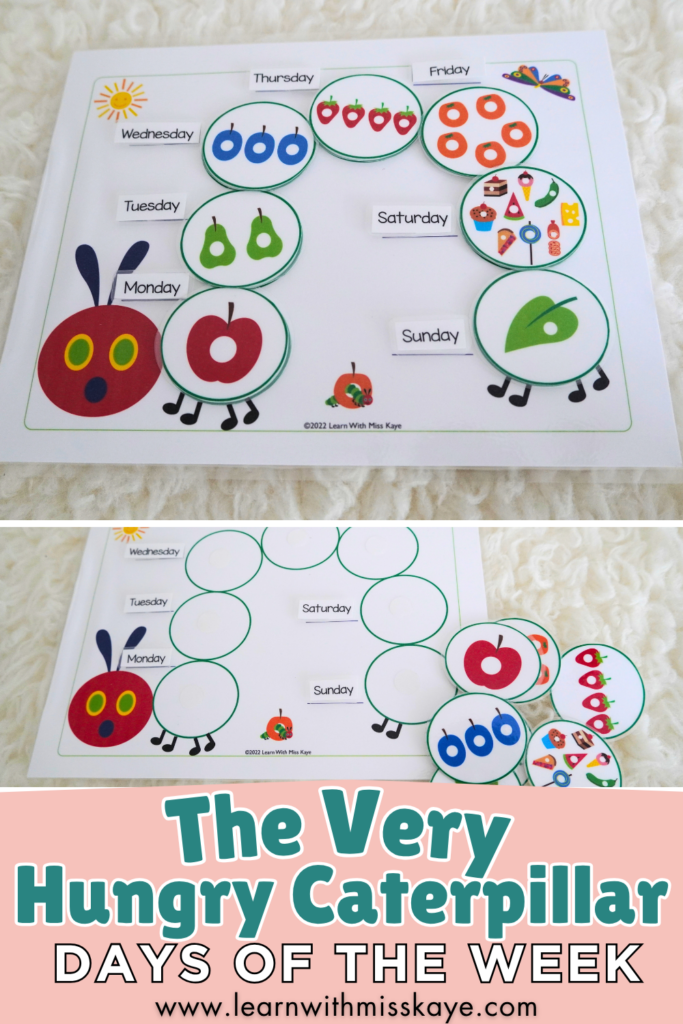
This Days of the Week Sequencing Printable helps children put the story events back in order while practicing important early learning skills. As they match the foods to the correct day, they’re building sequencing, memory, comprehension, and calendar awareness all at the same time.
I love using this activity during circle time, literacy centers, or as a simple follow-up after reading the book together. It’s a hands-on way to reinforce the story while helping children become more familiar with the days of the week.
Learn About Healthy Food Choices
The Very Hungry Caterpillar is a great book to open the door to meaningful conversations about healthy eating.
As the caterpillar munches his way through fruits, vegetables, and sweet treats, children naturally begin noticing that some foods help our bodies grow strong while others are best enjoyed once in a while.
After reading the story, I like to extend the learning with Eat More of This and Eat Less of This Sorting Activity.
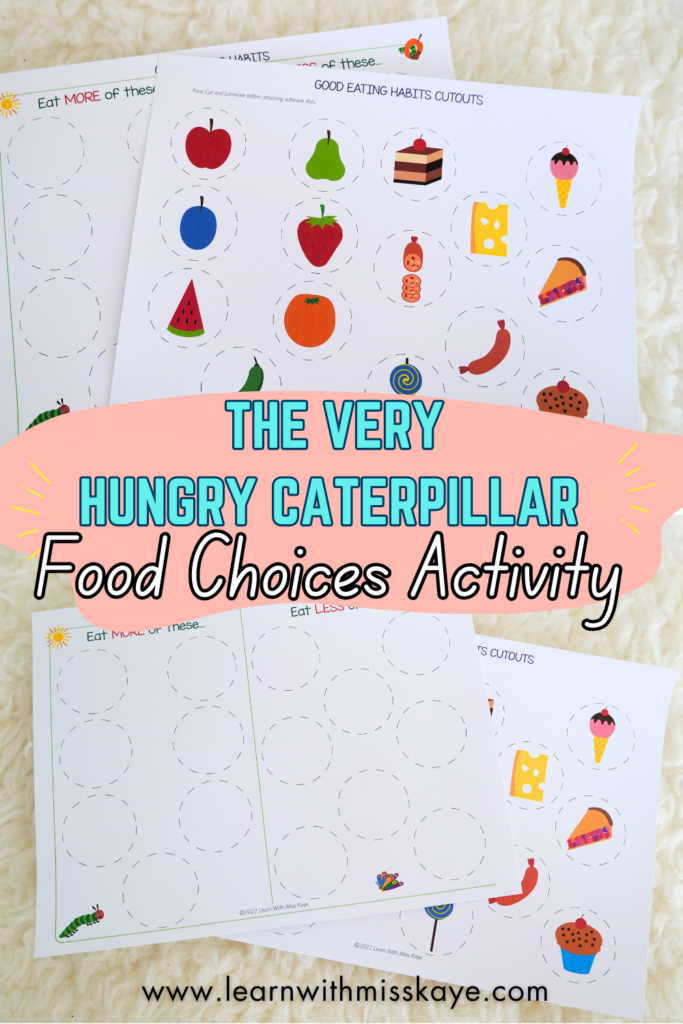
Children sort different foods into two categories:
Eat More of These – foods that help our bodies grow and stay healthy
Eat Less of These – foods that are fun treats but should be enjoyed in moderation
This hands-on activity encourages children to think about food choices while building important skills such as:
- Sorting and categorizing
- Critical thinking
- Vocabulary development
- Healthy eating awareness
As children complete the activity, you can spark great conversations by asking questions like:
- Which foods help our bodies grow strong?
- Which foods would you choose for a healthy snack?
- What healthy foods do you enjoy eating?
- Which foods did the caterpillar eat that are fruits?
I love that this activity connects directly to the story while helping children make real-world connections to the foods they eat every day.
Match the Fruit Halves
One of the fun themes woven throughout The Very Hungry Caterpillar is all the delicious fruits the caterpillar eats along the way. This makes it the perfect opportunity to introduce a simple matching activity that helps children strengthen visual discrimination skills.
With this fruit half matching printable, children look carefully at each fruit and find the matching half to complete the picture. As they work, they’re practicing observation, problem-solving, and attention to detail—all while interacting with familiar foods from the story.
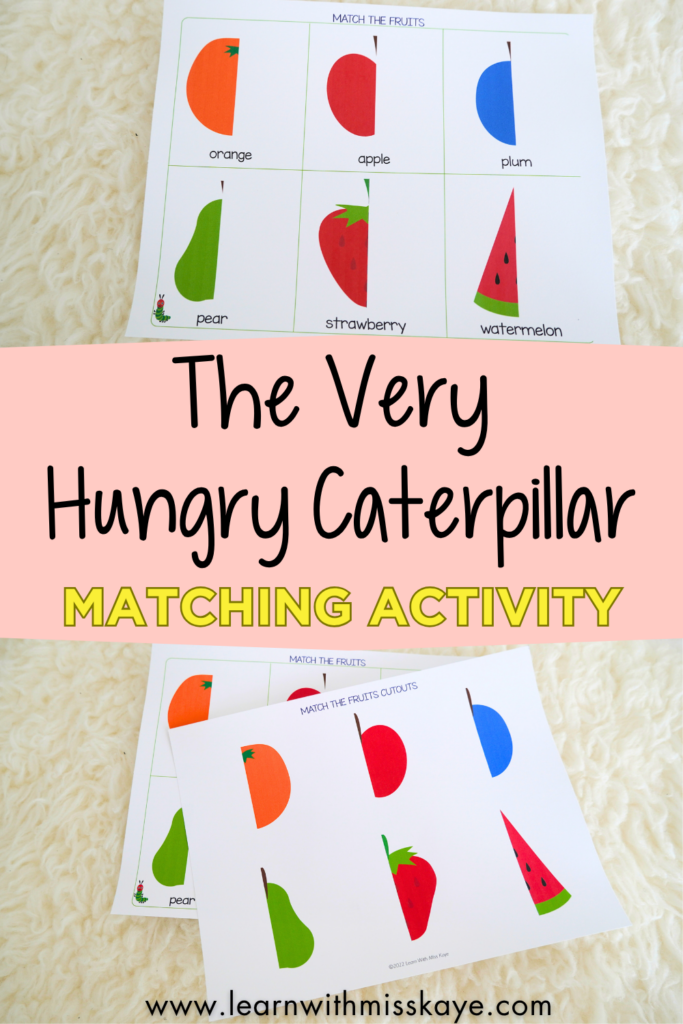
This activity is perfect for preschoolers because it feels like a puzzle rather than a worksheet. While completing the activity, they’re also developing important early learning skills including:
- Visual discrimination
- Matching skills
- Spatial awareness
- Concentration
- Fine motor development
I hope these activity ideas inspire you to bring The Very Hungry Caterpillar to life for the children in your care. From interactive felt story pieces and circle time props to dot marker worksheets, playdough mats, sequencing activities, and printable learning centers, there are so many ways to extend the learning beyond the pages of the book.
Thank you for stopping by Learn With Miss Kaye. Happy reading, happy learning, and most importantly, have fun making stories come alive!